
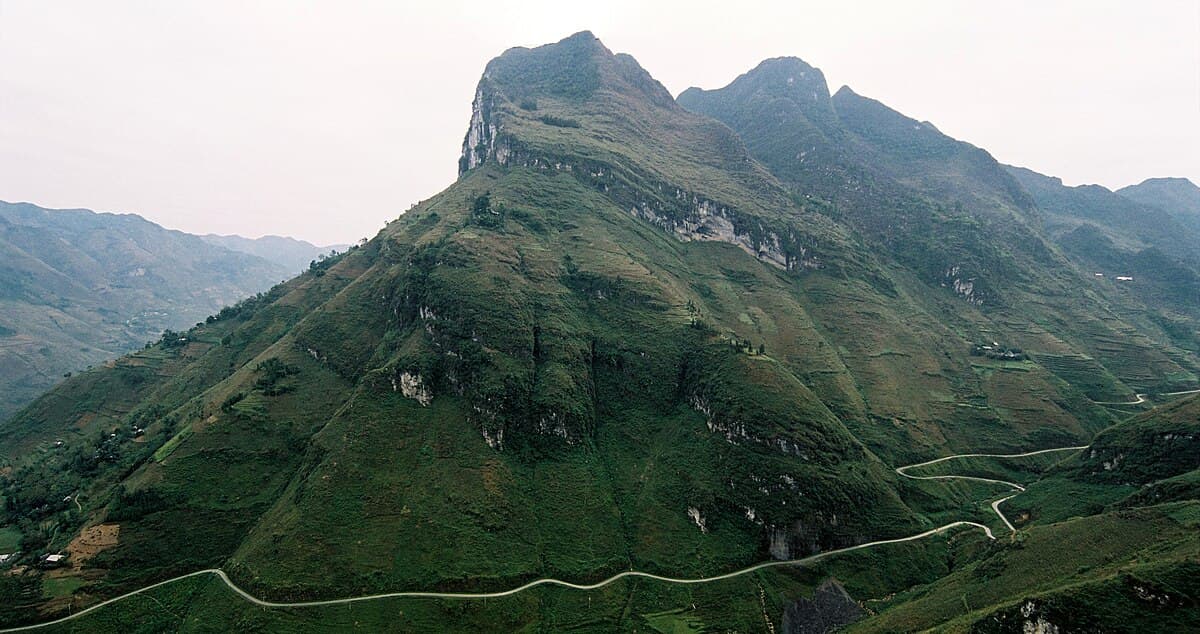
The two big northern Vietnam mountain destinations are very different propositions. Sapa is a developed hill station built on rice-terrace tourism — accessible, comfortable, well-trekked. Ha Giang is a remote karst-mountain loop traditionally done on a motorbike — adventurous, rugged, far less travelled. Both are stunning. The right choice depends on your time, your appetite for adventure, and (frankly) whether you're comfortable on or behind a motorbike.
This compare gives you the practical answer plus the full context.
The 90-second answer
- Pick Sapa if you want the rice-terrace experience with reliable infrastructure, you're a non-rider, you have 2–3 days for the trip, or trekking is your priority.
- Pick Ha Giang if you want the most under-visited Vietnam mountain landscape, you can ride a motorbike (or are willing to do an Easy Rider as passenger), and you have 4+ days budget.
- Do both if you have 8+ days in northern Vietnam — the experiences are genuinely different.
Side-by-side basics
| Sapa | Ha Giang | |
|---|---|---|
| Distance from Hanoi | ~380 km | ~300 km |
| How you get there | Overnight train (~8 hrs) or sleeper bus (~6 hrs) | Sleeper bus to Ha Giang City (~6–7 hrs) |
| Landscape | Terraced rice fields, hill-tribe villages | Limestone karsts, dramatic mountain passes |
| Tourism development | Highly developed | Developing but still rough |
| Visitor density | High | Low |
| Best activity | Trekking | Motorbike loop |
| Time required | 2–3 days from Hanoi | 4–6 days from Hanoi |
| Difficulty for solo travellers | Easy | Moderate |
| All-inclusive tour cost | $30–60/pp from Hanoi | $100–150/pp for 3 days |
| Best season | March–May, September–November | March–May, September–November |
| Iconic photo | Rice terraces (best Sept–early Oct, harvest) | Ma Pi Leng Pass viewpoint |
Sapa: the developed northern hill station
Sapa sits at ~1,500m elevation in the Hoang Lien Son mountains. The French built it as a hill station in the 1920s as a summer escape from Hanoi heat. Tourism returned in earnest in the 1990s and has grown steadily since.
The Sapa offer:
- Trekking through rice terraces and ethnic-minority villages (H'mong, Dzao, Tay, Giay). Trails range from gentle half-day walks to multi-day hikes between villages with homestays.
- Cable car to Fansipan (Vietnam's highest peak at 3,143m) — the cable car is one of the longest in the world; the summit experience is busy but scenic.
- Sapa town as a base — substantial accommodation range from $15 hostel dorms to $200+ luxury hotels. Restaurants, cafes, tour operators, all developed.
- Bac Ha Sunday market — the famous H'mong market, a long day trip from Sapa town.
- Cat Cat village, Lao Chai, Ta Van — the most-visited villages with established homestay networks.
What Sapa isn't:
- Not pristine. Sapa town in particular has been heavily built up, with construction visible from many viewpoints.
- Not quiet in peak season. November harvest season packs Sapa hard; weekends are busiest.
- Not where you go for the most dramatic Vietnamese mountain scenery — that's Ha Giang.
Who Sapa suits: trekkers, photographers focused on rice-terrace landscapes, travellers who want a comfortable base, families with older children, anyone who wants to experience H'mong / Dzao culture without the logistical complexity of more remote provinces.
Ha Giang: the dramatic loop
Ha Giang province sits on the Chinese border in Vietnam's far north — geologically distinct from Sapa, with limestone-karst mountains that produce some of the country's most dramatic landscapes. Ma Pi Leng Pass, between Dong Van and Meo Vac, is regularly cited as one of the most scenic mountain roads in Southeast Asia.
The Ha Giang offer:
- The Loop itself — a 350-km circuit from Ha Giang City through Quan Ba, Yen Minh, Dong Van, Meo Vac, and back. Traditionally done over 3–4 days on motorbike.
- Ethnic-minority diversity — Ha Giang has a higher concentration of distinct ethnic groups than anywhere else in Vietnam (H'mong, Tay, Dao, Lo Lo, Pu Peo, and others), each with distinct traditional dress and architecture.
- Lung Cu flag tower — Vietnam's northernmost point, on the Chinese border.
- Dong Van Karst Plateau Geopark — UNESCO Global Geopark inscribed for its limestone formations.
- Khau Vai Love Market — a once-a-year ethnic-minority market in Khau Vai (typically late March), one of Vietnam's most distinctive cultural events.
- Limited but improving accommodation — Dong Van and Meo Vac have a growing number of homestays and small hotels; Ha Giang City has more options.
What Ha Giang isn't:
- Not gentle. The roads are mostly paved now, but they're steep, twisty, and have significant drop-offs without guardrails. Motorbike riders who lack experience should not self-drive.
- Not for travellers without time. A 2-day Ha Giang trip just doesn't work — the loop requires 3 days minimum.
- Not for travellers prioritising trekking — the format here is riding through landscapes, not hiking through them.
Who Ha Giang suits: experienced motorbike riders, travellers who want passenger experience via Easy Rider, photographers focused on dramatic mountain landscapes, repeat Vietnam visitors who've already done Sapa, and anyone with 4+ days budget who wants the most under-visited part of northern Vietnam.
How to actually do Ha Giang
The motorbike question is the single biggest filter. Three formats:
Self-drive
- Cost: $5–10/day for bike rental.
- Pros: Maximum freedom, lowest cost, dignity-of-the-rider experience.
- Cons: Real safety stakes. The roads are unforgiving for inexperienced riders. Vietnamese motorbike-licence rules technically apply, though in practice most renters don't ask.
- Required: Genuine motorbike experience. Not the time to learn.
Easy Rider
- Cost: $100–150 for a 3-day all-inclusive guided trip. Vietnamese guide drives the motorbike; you ride as passenger.
- Pros: Safer than self-drive, local guide who speaks the language and knows the routes, no need for any motorbike skill.
- Cons: You're sitting passenger for 3 days, which gets tiring. You're dependent on the guide for everything (where you stop, what you eat). Quality varies — book through reputable operators.
- Required: Trust in the guide and their bike. Read recent reviews.
Jeep tour
- Cost: ~$200–350/pp for a 3-day group tour (4–6 people per jeep).
- Pros: Safest format. Most accessible to non-riders. Group experience.
- Cons: More expensive per person. Less feeling of adventure. Slower on some sections.
- Required: Nothing special.
For first-time Vietnam visitors who can't ride: Easy Rider for budget travellers, jeep tour for safety-prioritising travellers. Both deliver the Ha Giang landscape; both lose some of the riding-yourself experience.
Trekking comparison — Sapa wins
Both regions have trekking, but Sapa has it dialled in.
Sapa trekking infrastructure:
- Marked and well-mapped trails (Cat Cat, Lao Chai, Ta Van loops are all well-defined).
- Established homestay network — H'mong, Dzao, Tay families across many villages have hosted trekkers for decades.
- English-speaking guides easy to arrange in Sapa town for $20–40/day.
- Mountain weather is well-known — rain gear needed October–April.
Ha Giang trekking infrastructure:
- Less marked, less infrastructure, fewer guides.
- Some homestays in Lo Lo Chai, Du Gia, and Lung Cu, but the network is much thinner.
- English-language tour operators in Ha Giang City rather than at trailheads.
- Trekking option is more of a side activity to the loop than a core experience.
If trekking is your priority, Sapa is the obvious choice. Ha Giang's appeal is the riding, not the walking.
Cost & time comparison
| Aspect | Sapa | Ha Giang |
|---|---|---|
| Cheapest from Hanoi | $30 sleeper bus + accommodation | $20 sleeper bus + accommodation + bike |
| Mid-range package | $30–60/pp 2–3 day tour | $100–150/pp 3-day Easy Rider |
| Premium experience | $200/night luxury hotel + private guide | $200–350/pp jeep tour with comfortable lodging |
| Days required (minimum) | 2–3 from Hanoi | 4–5 from Hanoi |
| Days required (recommended) | 3 | 5–6 |
Sapa fits more easily into a tight Vietnam itinerary. Ha Giang requires explicit time budget.
Best season
Both regions share the same broad seasonal pattern:
- March–May: Best weather. Mild temperatures, dry, clear skies. The single best window for either destination.
- September–November: Second-best window. October is harvest season in Sapa (golden rice terraces). November can get cooler in Ha Giang.
- June–August: Hot and rainy. Rice terraces are vibrant green but trekking and riding are uncomfortable.
- December–February: Cold. Sapa can drop below freezing with occasional snow. Ha Giang gets cold mountain winds. Beautiful misty landscapes for photographers willing to dress for it.
For October, Sapa specifically: rice terraces in golden harvest stage are the photo most travellers come for. Mid-September to early October is the peak window; book accommodation 4+ weeks ahead.
When to pick Sapa
- You have 2–3 days for the side trip.
- You can't or don't want to ride a motorbike.
- Trekking is your priority.
- You're a first-time visitor to northern Vietnam.
- You're travelling with kids or older travellers.
- You want the iconic rice-terrace photos.
When to pick Ha Giang
- You have 4+ days for the side trip.
- You can ride a motorbike (or are happy to passenger via Easy Rider).
- Dramatic mountain landscapes matter more to you than rice terraces.
- You're a repeat Vietnam visitor or you want to skip the more-touristed destinations.
- The smaller-town ethnic-minority diversity appeals more than Sapa's H'mong-Dzao concentration.
When to do both
If you have 8+ days in northern Vietnam, the optimal pattern:
- Day 1–2: Hanoi
- Day 3–6: Ha Giang Loop (sleeper bus to Ha Giang, 3-day loop, return)
- Day 7–8: Sapa (overnight train, 1 day trekking, overnight train back)
- Day 9: Hanoi
This stitches both into the Hanoi-based northern circuit cleanly. Some travellers go directly from Ha Giang to Sapa via inter-provincial bus or jeep transfer rather than returning to Hanoi between — saves a day if your scheduling works.
Final recommendation
For most first-time visitors: Sapa for 2–3 days as a Hanoi side trip. It delivers the iconic rice-terrace experience with manageable logistics.
For repeat visitors, motorbike riders, and travellers prioritising the most under-visited Vietnam landscape: Ha Giang Loop for 4+ days with an Easy Rider or jeep tour. It's the bigger payoff and the experience increasingly cited as the highlight of multi-week Vietnam trips.
If forced to pick one for a longer trip with no constraints: Ha Giang. The landscape is more dramatic, the visitor density is much lower, and the experience is harder to find elsewhere in Southeast Asia.
Limitations
Trekking and motorbike-loop conditions vary year-to-year with monsoon timing and any provincial road work. The route descriptions here reflect April 2026 conditions, but a single tropical storm in October can reshape the experience overnight. Workaround: before booking a Ha Giang loop or Sapa multi-day trek, check the Vietnam transport hub for current operator advisories and confirm directly with the agency you book through.
The "is it crowded?" calls are based on shoulder-season visits and may underestimate peak-month density. Workaround: the TripAdvisor 2025 rankings research tracks where international demand is rising fastest — Sapa numbers are climbing faster than Ha Giang.
Related on this site
- Sapa destination guide — town overview, where to stay, day trips
- Ha Giang destination guide — loop logistics, Easy Rider options
- 14 days in Vietnam — the most-recommended itinerary
- 2025 international arrivals research — context on which destinations are getting busier