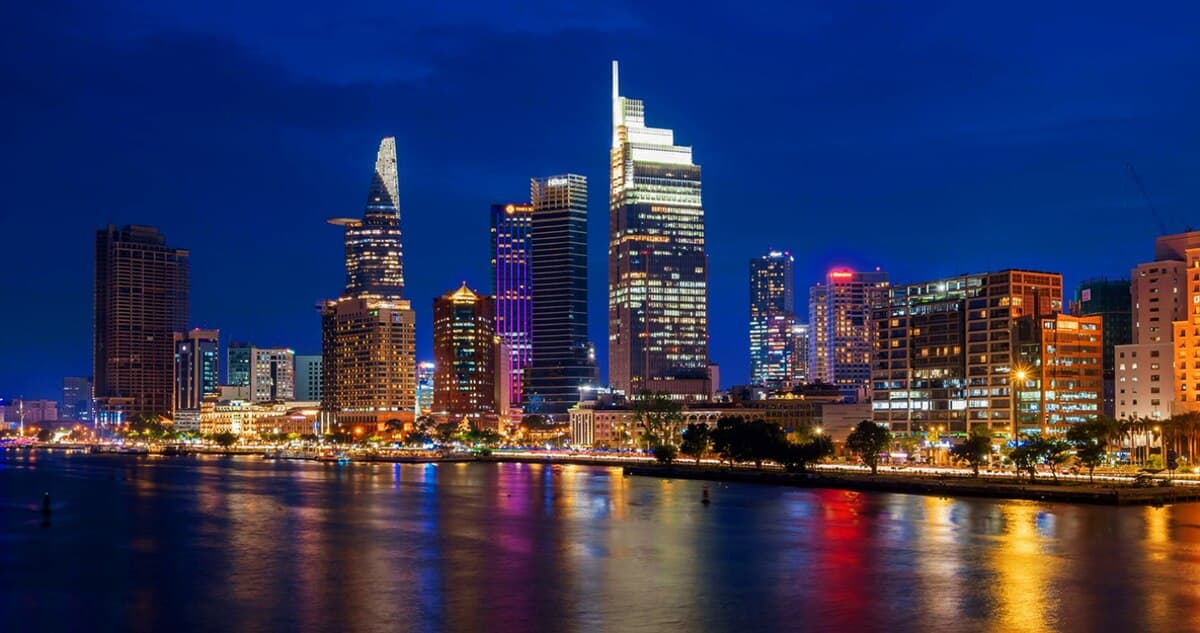
Ho Chi Minh City is Vietnam's biggest, loudest, most energetic metropolis — and the country's commercial engine. Around 9 million people live in the broader urban area; the streets carry the country's most relentless motorbike traffic, the food scene runs from sidewalk cơm tấm to fine-dining tasting menus, and the war-history sites (War Remnants Museum, Reunification Palace, Cu Chi Tunnels) are confronting but essential context for understanding the country.
Locals call it Saigon. The name was officially changed to Ho Chi Minh City in 1975 after reunification, but daily conversation in the south kept the older name — including for the central downtown district where most visitors stay. The airport code is still SGN. The new Long Thanh International Airport, 40 km east, inaugurated December 2025 and begins commercial flights in June 2026.
Why Ho Chi Minh City
Two reasons most travellers stop here: the city itself (food, energy, history) and its position as the launchpad for the Mekong Delta, Cu Chi Tunnels, Vũng Tàu, and flights south to Phu Quoc and Côn Đảo. A short trip can be HCMC-only; a longer one uses it as a base for day trips and a Mekong Delta overnight.
The city splits clearly by district. District 1 is central downtown — the colonial-era post office, Notre Dame Cathedral, Ben Thanh Market, and most hotels. District 3 sits west and is residential with excellent neighbourhood food. District 2 (Thảo Điền) is the expat district across the river, more spread out and modern. District 5 (Chợ Lớn) is the historic Chinatown — older, denser, and the best dim sum in Vietnam.
What to do in 48 hours
Day 1 — War history and downtown
The War Remnants Museum is essential and confronting — set aside 2–3 hours; the photography exhibits and outdoor war-equipment yard hit harder than expected. The Reunification Palace (Dinh Độc Lập) is preserved as the South Vietnamese presidential palace was in 1975; the underground command bunker is the highlight. Walk to Notre Dame Cathedral and the Central Post Office (Gustave Eiffel-influenced, still functioning), then Ben Thanh Market for lunch. Evening drinks on a rooftop with a view of the Bitexco Tower or Landmark 81 (the tallest building in Vietnam, 461m, completed in 2018).
Day 2 — Food, markets, neighbourhoods
Morning Vietnamese coffee at a District 3 sidewalk café, then walk the local market (Tân Định Market) for a less-touristed version of Ben Thanh. Lunch at a bánh xèo specialist — Bánh Xèo 46A is the classic. Afternoon: Chợ Lớn (District 5) for the Chinese-Vietnamese quarter and dim sum, or Independence Palace if you didn't fit it on day 1. Evening night-market food crawl along the Saigon River or Bui Vien Walking Street if you want chaos.
Day 3 — Day trip
Cu Chi Tunnels (half-day) or Mekong Delta day trip to Ben Tre or My Tho. For the longer Mekong overnight to Can Tho, plan two days.
Day trips from Saigon
| Day trip | Duration | Best for | Notes |
|---|---|---|---|
| Cu Chi Tunnels | Half-day, 4–5 hours | Vietnam War history | Crawl-through tunnels, AK-47 firing range |
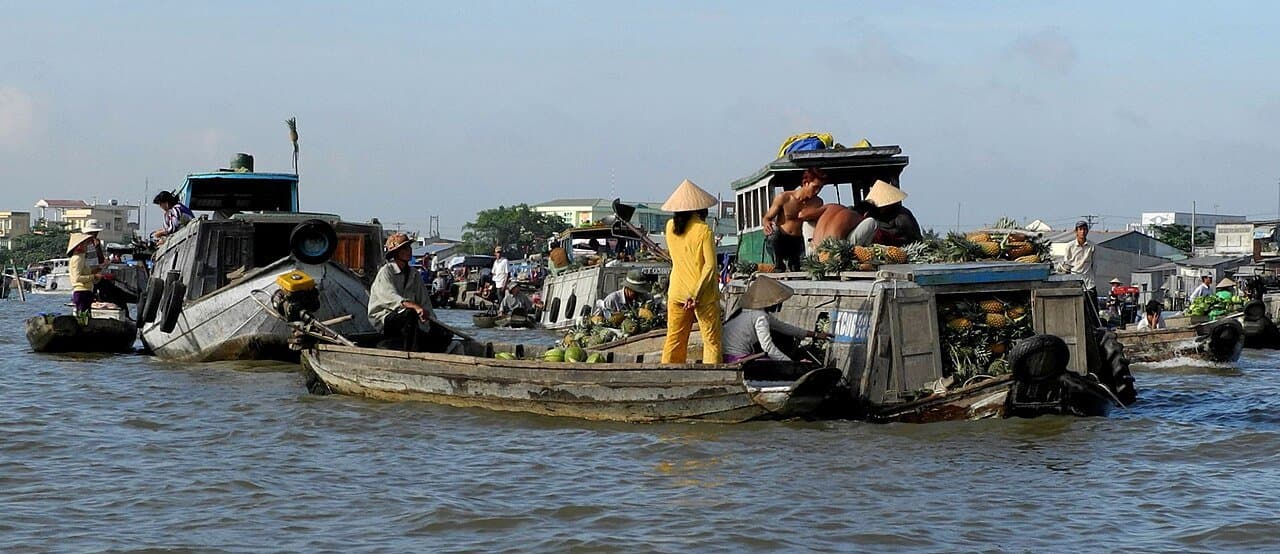
| Mekong Delta (Ben Tre / My Tho) | Full day | First-time, want river-life | Boat to floating markets, fruit orchards |
| Mekong Delta (Can Tho) | 2 days, 1 overnight | Deeper Mekong, Cai Rang floating market | Sunrise floating market is the prize |
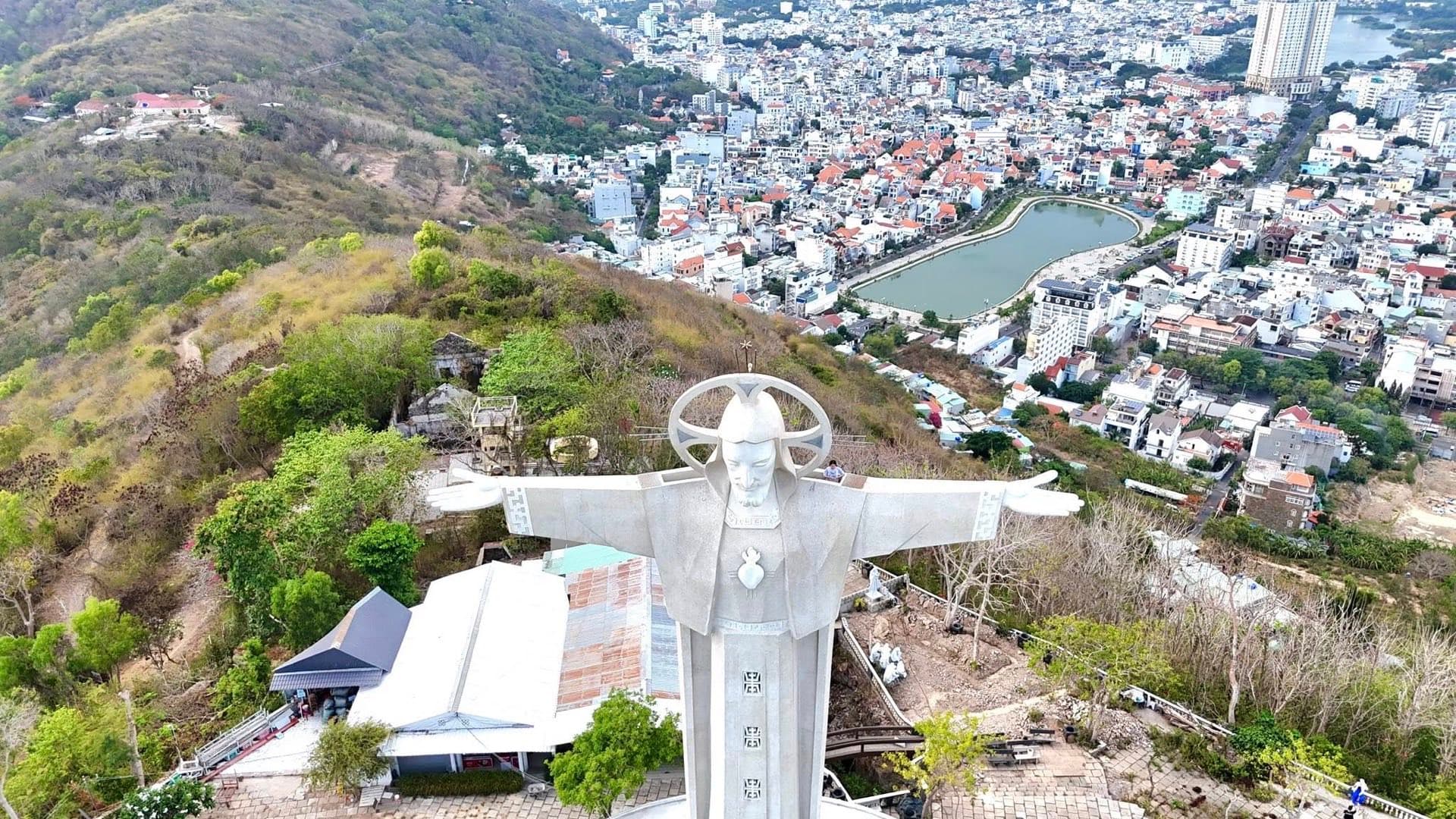
| Vũng Tàu | Full day | Beach break, weekend escape | 95 km southeast, 1h 15m–1h 45m via Long Thanh expressway; weekends crowded |
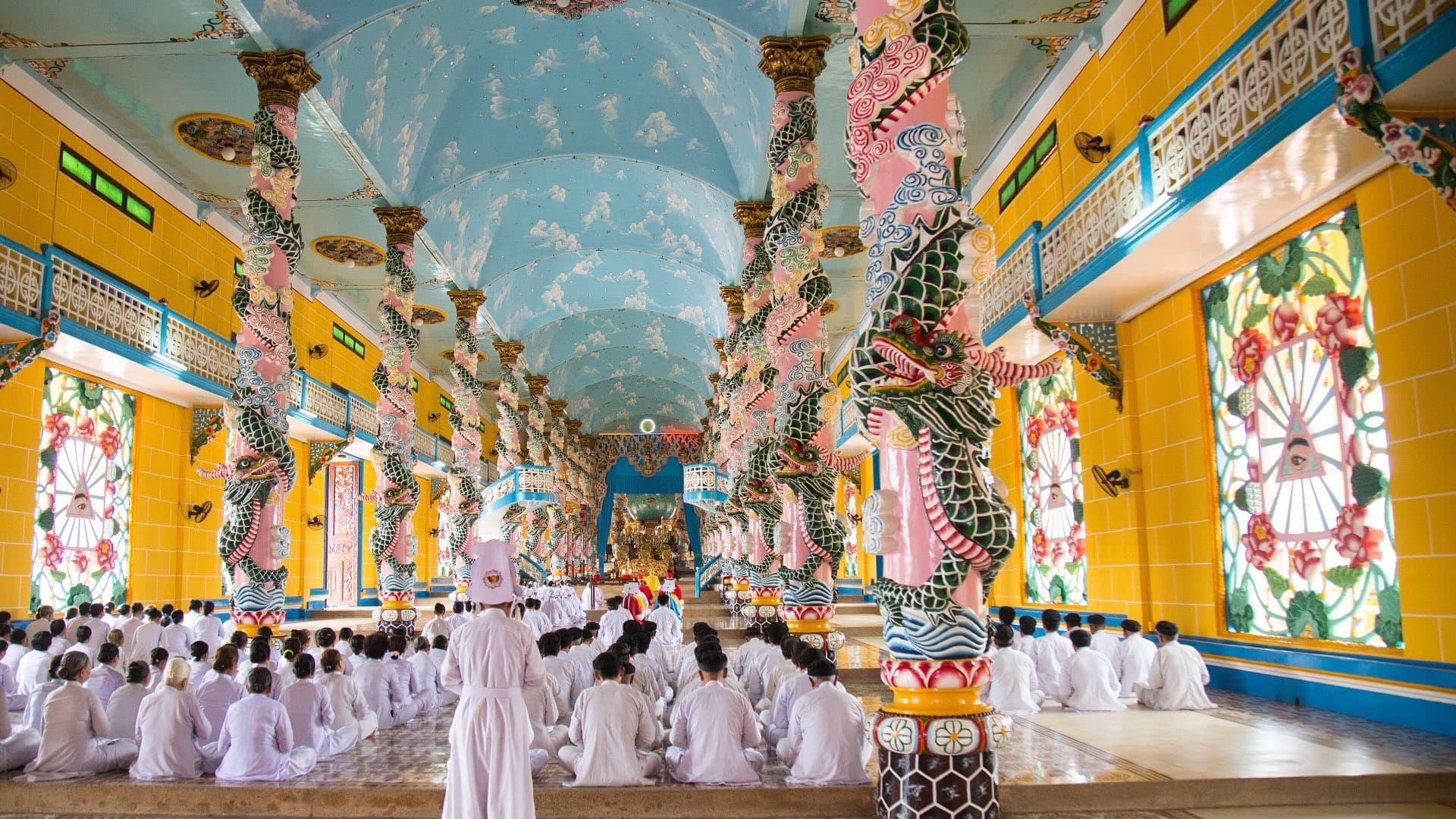
| Cao Đài Temple + Cu Chi | Full day | Vietnam's home-grown religion | Tay Ninh, dawn ceremony at the temple |
For the full ranking and trip-by-trip detail see our 8 best day trips from Ho Chi Minh City guide.
When to visit
November to April is the dry season and the best window — daytime highs of 28–34°C, low humidity, blue skies. May to October is the wet season; rain typically falls in 30–60 minute afternoon bursts, after which it's hot and bright again. The city's restaurants, museums, and shopping are unaffected by rain.
The single dates to watch out for: Tet 2026 (February 17) — many small businesses close for 5–7 days; the city gets quiet and prices jump 20–40%. April 30 / May 1 (Reunification Day + Labour Day) creates a long weekend with domestic-tourism surge.
For temperatures, rain and what each month is like, see our Ho Chi Minh City weather by month guide.
Where to stay
- District 1 (Đồng Khởi / Bến Nghé area) — first-time visitors, walking distance to Notre Dame, Reunification Palace, Ben Thanh Market. Mid-range $45–80, boutique 4-star $100–180.
- District 1 (Bui Vien area) — backpacker street, hostel-heavy, raucous after dark; cheap but skip if you want sleep.
- District 3 — quieter and more local, 10-minute Grab to District 1. Often better value for the same comfort level.
- District 2 (Thảo Điền) — expat-leaning, more space, the best modern restaurants and coffee spots. Add 15–25 minutes Grab time to/from District 1 sights.
- District 5 (Chợ Lớn) — historical, atmospheric, the best Chinese-Vietnamese food but further from the war-history sites.
How to get to and around HCMC
Arrival. Tân Sơn Nhất International Airport (SGN) is 30–45 minutes from District 1 by Grab car ($10–16). The airport is only 7 km from downtown but traffic is the bottleneck. Pre-book the Grab from inside the arrivals hall.
Within the city. Grab (car or bike) for everything. GrabBike runs $0.80–$2.00 for short hops; GrabCar $2.00–$4.80. District 1 itself is walkable but the heat (and traffic) sends most travellers back to Grab after a few blocks.
Inter-city. Flights for Hanoi or Da Nang (the train south-to-north is over 30 hours; flights are 2 hours); flights to Phu Quoc or Côn Đảo are the only practical option. Driving to Mui Ne (2h 30m-3h), Nha Trang (5h 30m-6h), Can Tho (2h 30m-3h), or Da Lat (6h-7h) has all compressed since 2023 — see our Vietnam Travel Time Atlas 2026 for the southern expressway build-out, and the Vietnam Airline Reliability Atlas 2026 for domestic flight reliability.
What to eat
Saigon's food leans sweeter, richer, herbier than Hanoi's. Mandatory dishes:
- Bánh xèo — turmeric crepe with shrimp, pork, bean sprouts. Bánh Xèo 46A in District 3 is the classic.
- Cơm tấm — broken-rice plate with grilled pork chop. Working-class lunch staple.
- Hủ tiếu — clear-broth noodle soup, the southern answer to phở.
- Bún thịt nướng — grilled pork over rice vermicelli with peanuts and fresh herbs.
- Cà phê sữa đá — iced condensed-milk coffee. Strong, sweet, perfect at 32°C.
- Bánh mì — the southern version is overstuffed and excellent at corner stalls everywhere.
For the deeper regional cuisine map see our Vietnam food guide.
"Cu Chi Tunnels morning, Pho Le lunch, War Remnants afternoon, then rooftop drinks on the Saigon River. Hard day emotionally but one of my best in Vietnam." — TripAdvisor reviewer, United States, March 2026.
Limitations
This guide treats HCMC as a single destination, but the city is huge — restaurants, accommodation, and atmosphere vary dramatically between Districts 1, 3, 2, and 5. Workaround: for a deeper neighbourhood comparison see our Hanoi vs Ho Chi Minh City compare and the discussions in r/saigon for current restaurant openings.
Saigon's traffic, heat, and density read more intense than other Vietnamese cities, and first-time visitors often underestimate the toll. Workaround: build mid-day rest blocks into your schedule (lunch + cafe + nap is a Saigon tradition for good reason), and skew sightseeing to morning and evening, not 11 a.m. to 3 p.m.