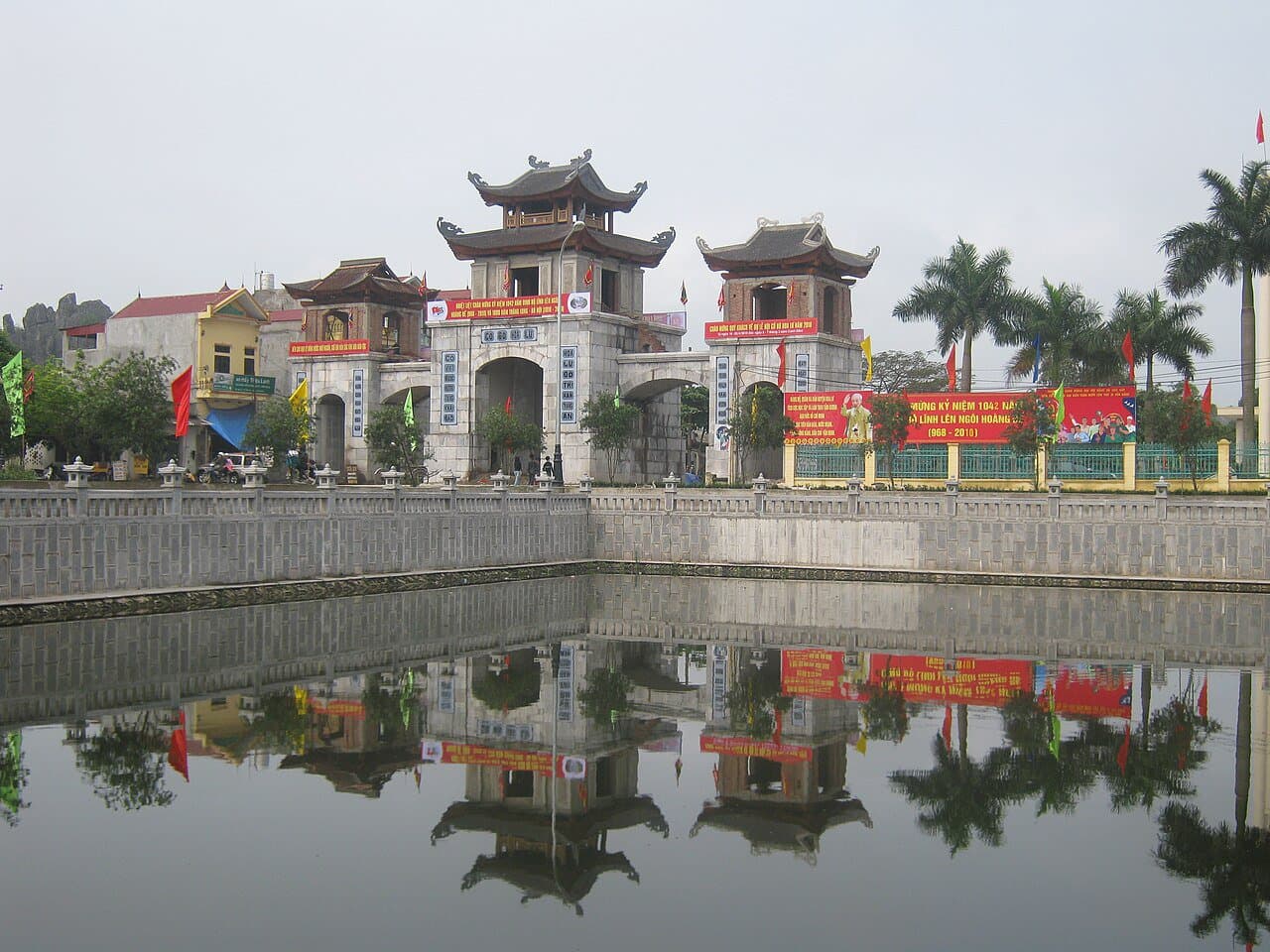
Hanoi is older, quieter, and more atmospheric than Ho Chi Minh City — a capital that rewards wandering more than ticking off sights. Coffee on a plastic stool, phở for breakfast, lanterns in the Old Quarter at dusk, and the city's relentless motorbike rhythm flowing around you. It's also the logical gateway to northern Vietnam's headline sights: Ha Long Bay, Sapa, Ninh Binh, and Mai Châu all sit within day-trip or overnight range.
The city ranked #7 in TripAdvisor's 2025 Travelers' Choice global destinations — meaningful demand pressure that's translated into 5–12% annual accommodation rate growth per our TripAdvisor 2025 Hanoi research summary. The Old Quarter is the most-affected neighbourhood. Book early in October–December peak, or stay in Tây Hồ for similar quality at quieter pricing.
Why Hanoi
The pitch in one sentence: a thousand-year-old capital that still functions as a working Vietnamese city, with the best street food in the country and the easiest access to the north's headline scenery. The Old Quarter is the densest cluster of small workshops, family-run restaurants, and motorbike noise you'll find anywhere in Southeast Asia. The French Quarter, two blocks south, is colonial-era boulevards and the city's heritage hotels. West Lake to the north is residential and quieter.
The two-versus-three-days question depends on whether you want a day trip in the schedule. A complete Hanoi visit in 48 hours covers the Old Quarter, key historical sites, two or three signature meals, and one museum. A third day opens a Ninh Binh trip or a longer wander through West Lake's pagodas.
What to do in 48 hours
Day 1 — Old Quarter and central lakes
Walk the 36 streets of the Old Quarter — each historically named for the trade it housed (Hàng Bạc for silver, Hàng Đường for sugar). Circle Hoan Kiem Lake mid-afternoon, cross the red Huc Bridge to Ngoc Son Temple, then head into the Old Quarter for an evening of street food. Mandatory stops: a bowl of phở at Phở Gia Truyền on Bát Đàn, an egg coffee at Café Giảng (where the drink was invented in 1946), and a beer at Bia Hơi Junction at the Tạ Hiện crossroads.
Day 2 — History and lakes
The Ho Chi Minh Mausoleum and adjacent stilt house open early; visit before the tour-bus crowds. The Temple of Literature (Văn Miếu), Vietnam's first university dating to 1070, is a 15-minute walk south. Afternoon: Vietnam Museum of Ethnology for an excellent overview of the country's 54 ethnic groups, or the Hoa Lo Prison Museum (the "Hanoi Hilton") for war-era context. End with sunset cocktails at a West Lake rooftop.
Day 3 — Day trip
The strongest options are Ninh Binh (limestone karsts and Trang An boat tour), the Perfume Pagoda (pilgrimage during spring festival, otherwise quieter), or Bat Trang ceramic village (45-minute drive, hands-on pottery workshops). For the full ranking and trip-by-trip detail see our 10 best day trips from Hanoi guide.
Day trips from Hanoi
| Day trip | Duration | Best for | Detail |
|---|---|---|---|
| Ninh Binh | Full day, 9–10 hours | First-time visitors, all ages | Trang An boat, Mua Cave, Hoa Lư |
| Perfume Pagoda | Full day, 10 hours | Spring (Feb–April festival) | Boat + cable car + cave temple |
| Bat Trang | Half day | Families with kids, pottery interest | Ceramic workshops, lunch in village |
| Duong Lam | Half day | Architecture nerds | 600-year-old ancient village |
| Mai Châu | Full day or overnight | Cycling, ethnic-village stays | Stilt-house homestays |
| Cuc Phuong | Full day | Wildlife, hiking | Vietnam's first national park |
| Ha Long Bay | Long day (rushed) | Only if overnight isn't possible | Better as overnight cruise |
When to visit Hanoi
| Months | Conditions | Verdict |
|---|---|---|
| October – December | Cool 16–22°C, dry, clear | Peak season, best weather |
| January – February | Cold 10–15°C, grey, drizzle | Avoid if possible |
| March – May | Warming 20–28°C, occasional rain | Pleasant; rice terraces filling |
| June – September | Hot 28–35°C, humid, storms | Cheaper, dramatic afternoon rain |
For temperatures, rain and what each month is like, see our Hanoi weather by month guide. For the full seasonal calendar and regional cross-reference see our best time to visit Vietnam guide.
Where to stay
- Old Quarter — first-time travellers, walking distance to everything, plastic-stool dining. Expect $40–70 mid-range, $90–160 boutique 4-star. Streets are narrow and noise carries.
- French Quarter — quieter and more atmospheric than the Old Quarter; heritage hotels include the legendary Sofitel Legend Metropole (where egg coffee was invented). Similar pricing to Old Quarter for similar quality.
- West Lake (Tây Hồ) — residential and expat-leaning, larger rooms, quieter mornings, but you're a Grab car from the Old Quarter. Mid-range here often gets you more space for the same money.
- Ba Đình — diplomatic-quarter neighborhood, near the Mausoleum; less character than the Old Quarter but quieter and cheaper.
Accommodation rates in the Old Quarter have climbed 5–12% per year compounded for the last three years per our cost-index observations. Properties that were $60/night in 2023 are commonly $80–110 in 2026.
How to get to and around Hanoi
Arrival. Nội Bài International Airport (HAN) is 45 minutes from the Old Quarter by Grab car ($10–16) or airport taxi. Avoid drivers who approach you in the arrivals hall — use the official taxi queue or pre-book via the Grab app.
Within the city. Grab (motorbike or car) covers everywhere. GrabBike runs 20,000–50,000 VND ($0.80–$2.00) for short hops; GrabCar is 50,000–120,000 VND ($2.00–$4.80). The Old Quarter is fully walkable; West Lake to Old Quarter is a 10-minute Grab ride.
Inter-city. Sleeper trains and limousine vans for Sapa (5–6 hours), trains south for the central coast, flights for Da Nang or HCMC. See our Vietnam Travel Time Atlas 2026 for post-expressway drive times, the Vietnam Land Transport Atlas 2026 for multi-mode corridors, and the Vietnam Airline Reliability Atlas 2026 for domestic flight reliability.
What to eat
Hanoi is Vietnam's deepest street-food city. The canonical list:
- Phở — the city is the origin of the dish; the northern version is clearer, leaner, less sweet than the southern.
- Bún chả — grilled pork over cold rice noodles; the Obama-Bourdain spot still works but the smaller stalls are better.
- Bánh cuốn — steamed rice rolls with minced pork; perfect breakfast.
- Cha cá — turmeric fish pan-fried at your table at Cha Ca La Vong (since 1871).
- Egg coffee — at Café Giảng, the original.
- Bia hơi — fresh draft beer at 8,000–15,000 VND ($0.30–$0.60) per glass; the Hanoi institution.
The IJRISS Hanoi street-food research — a regression study with n=306 — found food quality and price the dominant predictors of where Hanoi locals spend. Translation: the busy stall with a queue of locals beats the empty one with English signage.
"Stayed in Tây Hồ instead of the Old Quarter on my second trip and never looked back. Same Grab fares everywhere, way nicer mornings, and the lake walking at sunset was the highlight." — Reddit r/VietnamTravel, UK, February 2026.
Limitations
This guide is a city overview rather than a neighbourhood-level deep dive; the Old Quarter alone has dozens of micro-blocks with distinct food and accommodation profiles. Workaround: for the deepest food map specifically see our Vietnam food guide and the Hanoi street food research; for accommodation, filter Booking.com by your specific street rather than "Old Quarter" generally.
Visitor-pressure conditions have shifted meaningfully since the 2023 visa reforms and the 21.2 million international arrivals in 2025 — what's peak season has gotten busier, not just expanded. Workaround: book Old Quarter hotels 2–3 weeks ahead in October–December; stay in West Lake or French Quarter for similar quality at less competition.