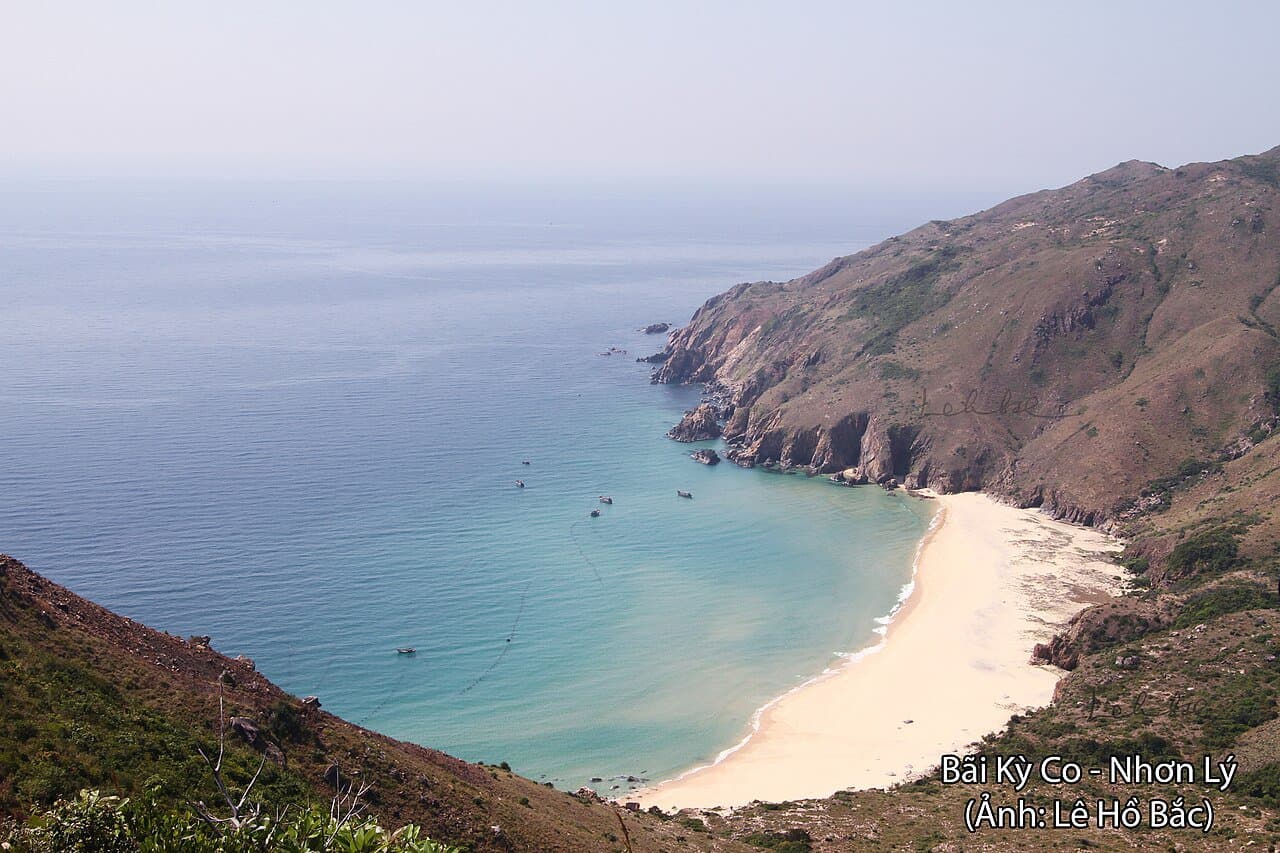
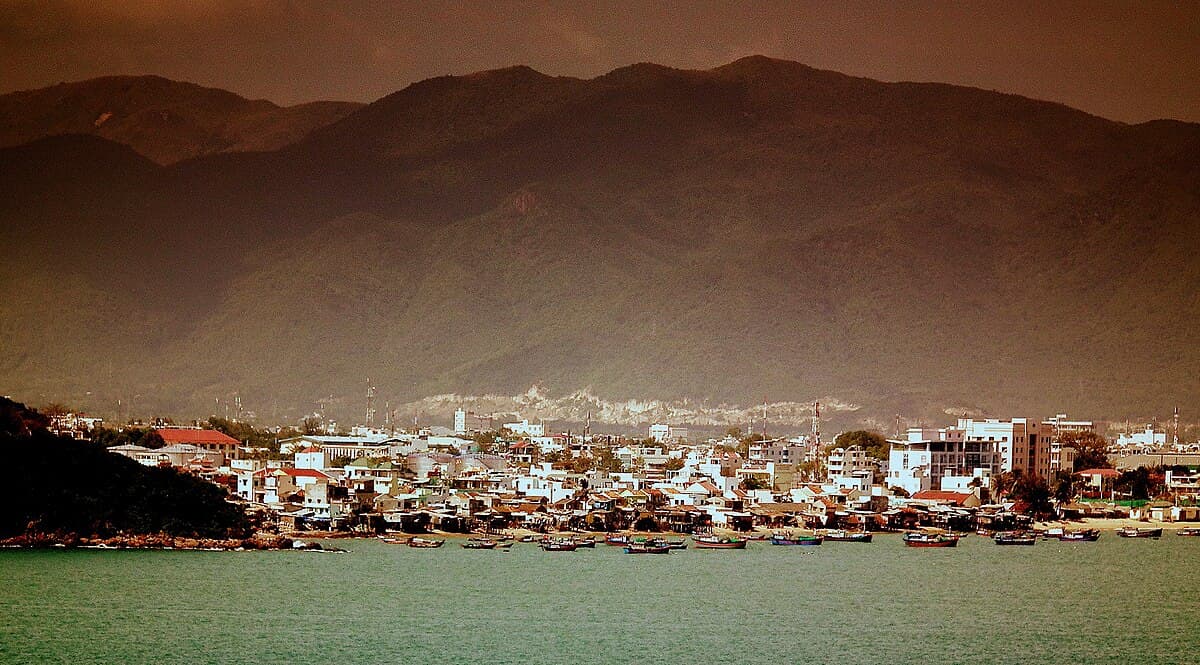
Nha Trang is Vietnam's answer to a Mediterranean beach resort city: a 6km crescent of yellow sand fronted by a palm-lined promenade and a wall of 30-storey hotels. It is the country's diving capital, a magnet for Russian package tourists, and a convenient halfway stop between Saigon and Hoi An.
Why visit Nha Trang
The beach itself is excellent — wide, swimmable, and genuinely clean since the 2022 promenade overhaul. Nha Trang Bay has four offshore islands that make for a classic cheap boat-tour day. The diving at Hon Mun Marine Protected Area is the most accessible in Vietnam, and the 9th-century Po Nagar Cham Towers are among the best Hindu ruins outside of My Son.
The flip side: Nha Trang is aggressively developed, the signage is half in Russian, and the restaurant scene is thinner than in any other major coastal city. Come for the beach and the boats, not the culture.
Best time to visit
- February to May: best overall. Dry, calm seas, 25-31°C, dive visibility 15-20m.
- June to September: hot (32-34°C) but dry most days.
- October to November: wettest. Typhoon risk. Many dive boats don't run.
- December to January: cooler (22-27°C) with occasional rain; seas can be rough.
This is one of the only parts of Vietnam where the rainy season is October-November rather than summer, because Nha Trang sits in a rain shadow.
For temperatures, rain and what each month is like, see our Nha Trang weather by month guide.
How to get there
- Fly to Cam Ranh (CXR): 1h10 from HCMC, 2h from Hanoi. Airport is 35km south, taxi 350,000 VND, shuttle bus 70,000 VND.
- Reunification Express train from HCMC: 7-8 hours, soft sleeper 500,000-700,000 VND.
- Overnight sleeper bus from HCMC: 8–9 hours overnight, 300,000 VND — buses are still slower than the private-car drive of 5h 30m–6h because of multi-stop pickups, speed-limit discipline, and on-board rest stops, but the five continuous expressways since April 2024 have cut the old 9-10h figure meaningfully. See the Vietnam Sleeper Bus Operator Atlas 2026 for operator-level reliability.
- From Da Lat: 4 hours down the mountain, 200,000 VND.
- From Mui Ne: 4-5 hours by sleeper bus; around 3 hours by private car on the post-2024 expressway corridor.
Where to stay
- Tran Phu beachfront: the tourist strip. Hotels from $30 to $250. Walking distance to everything.
- Nguyen Thien Thuat / Hung Vuong: backpacker zone one block back. Guesthouses $12-25, cheap food, bars.
- Bai Dai: 20 minutes south near Cam Ranh airport. Newer resort strip, quieter, wilder beach.
- North of the Cai River: where locals live. Cheap, authentic food, but inconvenient for the main beach.
Top things to do
- Four Islands boat tour — the classic cheap day out: Hon Mun, Hon Mot, Hon Tam, Hon Mieu. 250,000-400,000 VND including lunch and snorkelling gear.
- Vinpearl Land / cable car — 3.3km over-sea cable car plus water park and rides. 950,000 VND all-in full day.
- Po Nagar Cham Towers — four 9th-to-12th-century Hindu towers on a hilltop above the river. 30,000 VND, 30 minutes.
- Thap Ba Hot Springs mud bath — a Nha Trang institution. 350,000-450,000 VND for a private tub, 2 hours.
- Scuba diving at Hon Mun — two-tank fun dive $70-85, PADI Open Water $380-420 over 3 days. Rainbow Divers and Sailing Club are the long-standing operators.
- Nha Trang Cathedral (Stone Church) — French-gothic on a hill, 1930s. Free.
How many days
- 1 day: beach + Po Nagar + seafood dinner
- 2-3 days: add a boat tour and Vinpearl or mud bath
- 4+ days: diving week or add Ba Ho waterfalls and Doc Let beach
Typical costs
- Budget guesthouse: $12-20
- Mid-range beach hotel: $35-70
- Beach seafood dinner: 250,000-450,000 VND
- Four Islands tour: 300,000 VND
- Taxi across town: 60,000-90,000 VND (use Grab)
- Fun dive: $70-85
Nha Trang works best as a 2-3 day beach break between inland stops — after the heat of Saigon or the mountain chill of Da Lat, a couple of days on Tran Phu beach hits exactly right.
Limitations
Nha Trang's dive-operator base is the densest in Vietnam, but seasonal algal-bloom events have triggered Ministry of Health bathing-water advisories in recent years — water clarity isn't always reliable. Workaround: check the Vietnam Beach & Coastal Water Quality Atlas 2026 for VEA monitoring data per beach; for diving specifically, the offshore islands (Hon Mun, Hon Tre) typically have clearer water than the main beach.
The city's source-market mix has historically leaned heavily Russian + Korean, which shapes the restaurant and nightlife scene in ways that surprise international travellers expecting a Vietnamese feel. Workaround: the older Vietnamese-owned neighbourhoods west of the main beach strip (around the Po Nagar Cham Towers and the river) deliver the local food and atmosphere; central Tran Phu beachfront is the international-tourist zone.