
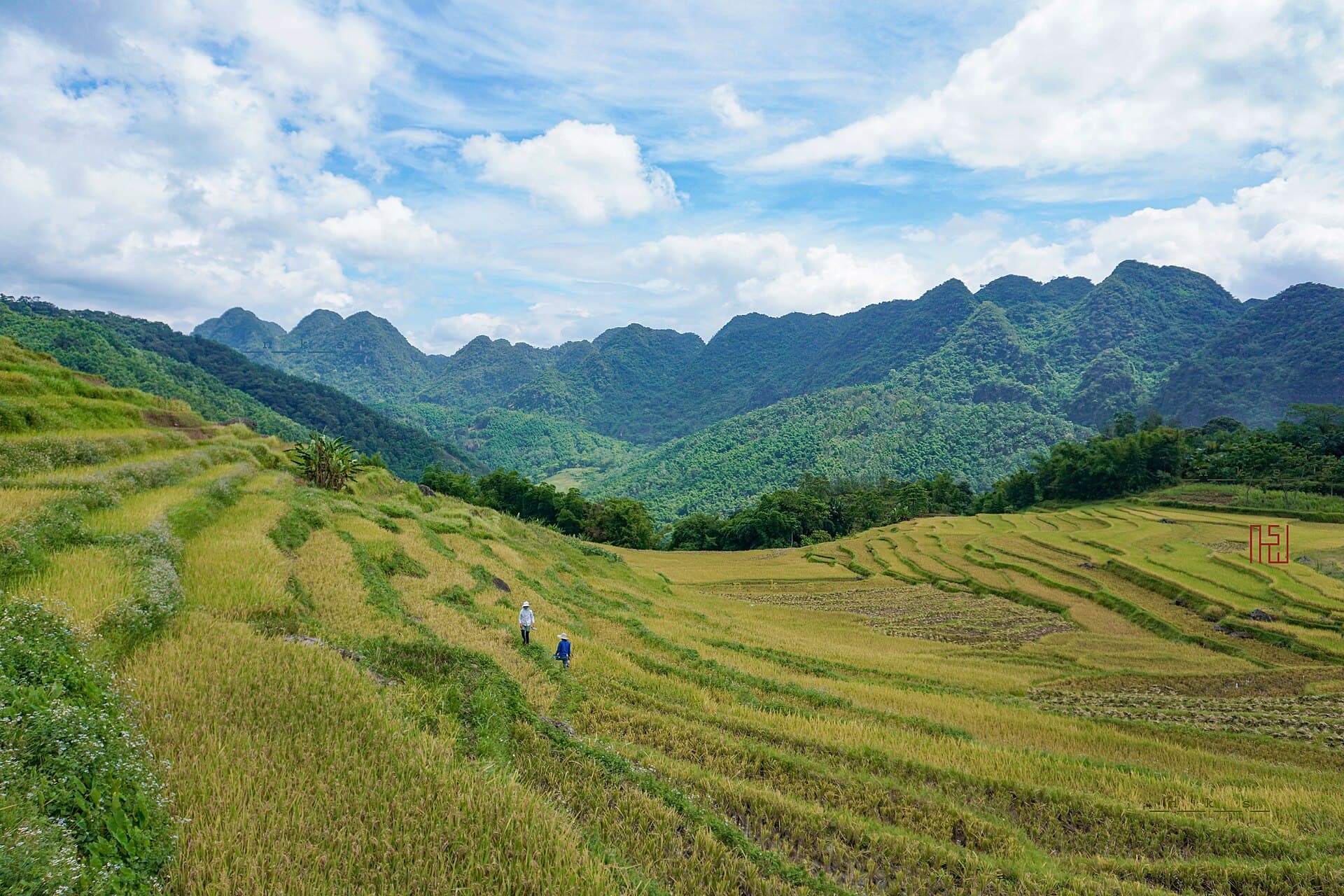
If you want a genuine homestay in Vietnam — sleeping in a family's home, eating what they eat — the northern mountains are where it works best. Ta Van and Lao Chai near Sapa, the Ha Giang loop villages, and the Thai stilt-house valleys of Mai Chau and Pu Luong deliver the real thing, with the Mekong Delta orchard-and-river stays close behind. Rough 2026 cost for a simple room with dinner and breakfast is around 250,000-500,000 VND (about 10-20 USD) per person; upgraded bungalows and eco-lodges run higher.
The catch is the word itself. In Vietnam "homestay" now labels everything from a mattress on a family's floor to a purpose-built bungalow cluster with a pool and a reception desk. This guide is the homestay lens specifically — for the wider picture of hotels, hostels and neighbourhoods, see our where to stay in Vietnam pillar, and for the sustainability angle the sustainable tourism atlas.
What a homestay actually means here
A true homestay is exactly what it sounds like: you sleep in someone's house and share their table. In the northern mountains that usually means a wooden stilt house, often with an open upstairs sleeping floor lined with mattresses, blankets and mosquito nets, and a shared bathroom below or beside the house. In the Mekong Delta it means a family home set among fruit orchards and river channels. Dinner and breakfast are typically included or cheap to add, and they are usually the best part.
Over the last decade the label has drifted. Plenty of places marketed as homestays are effectively small hotels — a dozen rooms, firm mattresses, en-suite bathrooms, sometimes a pool — with little of the family contact the name implies. Neither is wrong, but they are different products at different prices, and knowing which you are booking saves disappointment. As a rule of thumb, the more rooms and the more hotel-like the amenities, the less it feels like staying with a family.
The best regions for a real homestay
| Region | The homestay experience | Rough 2026 price / person |
|---|---|---|
| Sapa (Ta Van, Lao Chai) | Hmong, Dao and Giay stilt houses; trekking-based | 250,000-1,600,000 VND |
| Ha Giang loop villages | Communal floors and dorms; big family dinners | Under 200,000-600,000 VND |
| Mai Chau and Pu Luong | Thai stilt houses; rice-terrace valleys | 300,000-1,500,000 VND |
| Mekong Delta | Orchard-and-river family homes; boat activities | 375,000-1,500,000 VND |
| Central highlands (Da Lat area) | Thinner options; more guesthouse than homestay | Varies |
Northern mountains: Sapa, Ta Van and Lao Chai
The villages a few kilometres out of Sapa town — Ta Van and Lao Chai in the Muong Hoa valley especially — are the classic Vietnam homestay. You trek in, stay with a Hmong, Dao or Giay family, and the walking between hamlets is the point. Simple family rooms with meals run roughly 250,000-500,000 VND per person; the more polished eco-lodge style stilt houses reach 800,000-1,600,000 VND. Booking your trek through a reputable, community-owned operator keeps the money local and dials down the textile-shop sales pressure that Sapa is known for. Our Sapa solo female travel guide goes deeper on navigating that.
Ha Giang loop villages
On the Ha Giang loop the homestay is baked into the trip: most riders overnight in village guesthouse-homestays in places like Yen Minh, Dong Van, Du Gia and Lo Lo Chai. Expect communal sleeping floors or simple dorms, a shared family-style dinner that everyone eats together, and rice wine toasts afterwards. A dorm mattress can be under 200,000 VND; private rooms cost more. It is sociable rather than intimate — you are often sharing the floor with a whole easy-rider group. Confirm dinner in advance at the more remote stops, since some only cook to order. See the Ha Giang loop routes guide for where the overnights fall, and the cost breakdown for how homestays fit the budget.
Mai Chau and Pu Luong
Three to four hours south-west of Hanoi, the White Thai valleys of Mai Chau and neighbouring Pu Luong are the gentler, greener homestay heartland — stilt houses on stilts above rice paddies, less trekking-intense than Sapa, and quieter. Mai Chau's main villages have long been on the group-tour circuit, so some stilt houses feel semi-commercial; Pu Luong, a nature reserve, spans everything from genuinely simple family stays to eco-lodges with infinity pools overlooking the terraces. Family stilt-house rooms sit around 300,000-600,000 VND; the boutique end runs well above that. This region is where the "homestay that is really a small resort" pattern is most visible, so read the listing carefully.
The Mekong Delta
Down south the homestay changes character entirely: instead of mountain stilt houses, you get family homes among fruit orchards and the maze of river channels around Vinh Long, Ben Tre and Can Tho. Days are built around boat trips to floating markets, cycling between orchards, and cooking with the family. Prices are modest — often 375,000-750,000 VND per person with breakfast, more for the smarter riverside places. It is the easiest homestay region to reach independently and a good first taste if the northern mountains feel like a stretch.
Central highlands
Around Da Lat and the wider central highlands you will see the homestay label too, but honestly the genuine family-stay options are thinner and many are guesthouses in disguise. It is a fine region to visit; just set expectations lower on the homestay front specifically.
What to expect inside
Sleeping is often communal or semi-private: an open upstairs floor with a row of mattresses under mosquito nets is standard in mountain stilt houses, while upgraded places offer private rooms. Bathrooms at the basic end are usually shared, sometimes outside, and hot water can be limited or solar-dependent. Walls and floors are thin — bamboo and timber carry sound, so light sleepers should pack earplugs.
Meals are the reason to do this. You sit together, often on the floor, sharing an assortment of dishes cooked from whatever is local and fresh that day. Rice wine toasts are a genuine gesture of welcome in the mountains; declining outright can read as rude, but a small sip, or quietly filling your glass with water, is an accepted middle ground.
Etiquette that matters
Take your shoes off at the door — always. Dress modestly inside the home, keep your voice down, and ask before photographing family members, especially older people and children. Wait to be invited to start eating, accept food graciously even if you pace yourself, and use both hands when passing or receiving something from an elder. A small gift for the household, or buying a piece of the family's handicrafts, is appreciated but never demanded. Vietnam's national tourism board has a concise etiquette primer worth a two-minute read before you go.
How to book
For most travellers, Booking.com and Agoda are the practical starting point: they list the homestays that actively want foreign guests, carry the reviews and photos you need to judge quality, and make cancellation easy. Agoda tends to surface more small Vietnamese-owned listings. Booking direct — by message, or through your trek or loop operator — can shave the rate and is the only way to confirm meals at remote places, but be aware that many of the most genuine family homestays are not online at all and are arranged on the ground through local guides. When in doubt, sort by recent reviews and look hard at the photos to gauge whether it is a family home or a mini-hotel.
Honest downsides
Homestays are not for everyone. Shared bathrooms, cold or unreliable water, hard mattresses and early-rising farm households are all part of the deal at the authentic end. Thin walls mean noise travels, and a full easy-rider group on the same floor is not restful. Quality is genuinely variable — two places on the same street can be wonderful and grim — and the "homestay" you booked may turn out to be a fourteen-room guesthouse with no family in sight. None of this is a reason to skip the experience; it is a reason to pick deliberately, read recent reviews, and match the property to what you actually want.
Limitations
Prices here are 2026 estimate bands in VND with rough USD conversions; exchange rates and seasonal demand move them, so confirm at the time of booking. We have deliberately not recommended individual properties by name — the homestay market turns over quickly and a property that is excellent one year can change hands the next, so recent reviews are a better guide than any static list. Village names, regions and the general character of each area are stable; specific operators, room counts and inclusions are not. Always verify meals, bathrooms and transport directly before you commit.