
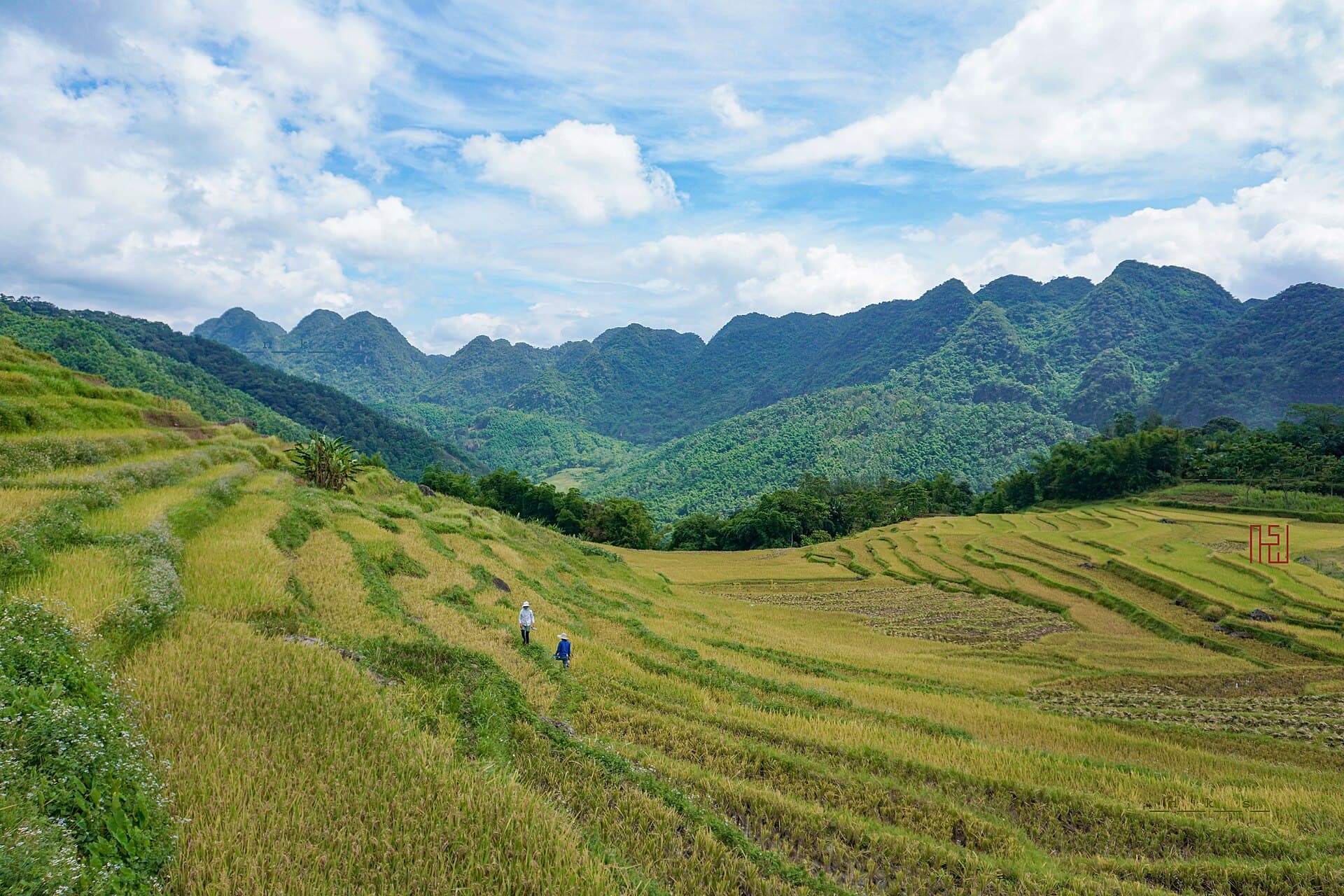
This is an independent atlas of Vietnam's sustainable-tourism ecosystem in 2026 — the eco-lodge tier (Topas, Six Senses, Aman, Pu Luong Retreat, Mai Chau Ecolodge), the community-based tourism (CBT) operators (Sapa O'Chau, Sapa Sisters, Oxalis Adventure, Easia Travel), the conservation partners (EPRC, Save Vietnam's Wildlife, Animals Asia, Fauna & Flora Cat Ba, WildAct), the regulatory framework (Decision 147/QD-TTg, Decree 08/2022, VITA Green, Decree 29/2026 Vietnam ETS), and the carbon-footprint reality of common tourism choices.
It exists because most English-language Vietnam sustainability coverage stops at "Booking.com says Vietnamese travelers care about sustainability" without naming which properties hold verified certifications, which CBT operators have genuine community ownership (rather than middleman extraction), or which conservation programs are visible and bookable. The intent-to-supply gap is the single biggest greenwashing risk in the Vietnam market in 2026 — 96% of Vietnamese travelers describe sustainability as important per Booking.com 2026, while only 30 properties are certified under the new VITA Green label launched August 2025.
Every figure here traces to a named source — Booking.com's annual Sustainable Travel Report, Six Senses + Topas + Pu Luong Retreat operator data, Vietnam Tourism Association VITA Green criteria, Decision 147/QD-TTg + Decree 08/2022 government documents, Frankfurt Zoological Society + Goldman Environmental Prize + Animals Asia conservation-partner publications, Our World in Data carbon footprint baselines, ICCT Vietnam two-wheeler emissions data, and recent press coverage from Vietnam News, VietnamPlus, Southeast Asia Globe, Tuoi Tre and VnExpress.
The page is updated annually each May, post VITA Green annual reporting + Q1 Booking.com data. The 2026 figures are the baseline 2027 will measure against.
Quick summary — the demand-vs-supply gap
| Metric | 2025-2026 figure | Source |
|---|---|---|
| Vietnamese travelers describing sustainability as important | 96% | Booking.com 2026 Sustainable Travel Report |
| Vietnamese travelers wanting to leave destinations better | 83% | Booking.com 2025 / Vietnam News |
| Vietnamese travelers wanting positive impact | 80% | Booking.com 2026 |
| Global travelers avoiding overcrowded destinations 2026 | 43% (+11pp YoY) | Booking.com 2026 |
| VITA Green certified properties at August 2025 launch | 30 | VietnamPlus |
| VITA Green target by end-2025 | 100+ | VietnamPlus |
| Vietnam JCI-accredited hospitals | 6 | (See Healthcare Atlas) |
| Marine plastic reduction target 2030 | 75% | Decision 1746/QD-TTg |
| Tourism Strategy 2030 international arrivals target | 50M | Decision 147/QD-TTg |
| Vietnam ETS pilot allocation 2025 | 243.08M allowances | Decree 29/2026 |
| Vietnam ETS pilot allocation 2026 | 268.39M allowances | Decree 29/2026 |
Why this atlas exists
Three gaps in existing English-language sustainability coverage:
-
The intent-supply gap is rarely sourced. Most coverage cites Booking.com headline numbers without quantifying the supply side. The atlas presents both sides — 96% Vietnamese-traveler intent vs 30 VITA Green-certified properties at launch — and frames the gap as the actionable greenwashing-risk reality.
-
Certification context is missing. Foreign coverage rarely distinguishes between Green Globe + Travelife + Green Key + GSTC + the new VITA Green label, or names which Vietnam properties hold which. The atlas provides a property-by-certification cross-reference table.
-
CBT ownership structure is opaque in foreign coverage. Articles describe "Sapa trekking" or "Ha Giang Loop" without distinguishing Hmong-owned cooperatives (Sapa O'Chau, Sapa Sisters) from Kinh middleman operators that extract value from ethnic-minority guides. The atlas names operators by ownership structure.
The audiences this atlas serves: sustainability-conscious foreign travelers; travel-policy press; academic researchers studying CBT and sustainable tourism in Southeast Asia; embassy + DMC + tour-operator sustainability-program managers; the Vietnamese government policy community.
Methodology
The atlas draws on six layers of sources, in this order of precedence:
| Layer | Source | How it's used |
|---|---|---|
| Government policy | Decision 147/QD-TTg; Decree 08/2022; Decree 29/2026 (Vietnam Briefing) | Regulatory framework |
| Certifications | GSTC; Green Globe; Green Key; Travelife; VITA Green via VietnamPlus | Property-by-certification reference |
| Operator primary | Topas, Six Senses, Aman, Pu Luong Retreat, Mai Chau Ecolodge, Anantara Hoi An, Sapa O'Chau, Sapa Sisters, Oxalis Adventure, Easia Travel direct websites | Pricing + practices |
| Demand-side data | Booking.com Sustainable Travel Report 2025 + 2026; Vietnam News + VietnamPlus | Traveler intent + behavior |
| Conservation NGOs | EPRC; Save Vietnam's Wildlife; Animals Asia; Fauna & Flora; WildAct | Conservation programs + revenue-sharing |
| Carbon footprint | Our World in Data — travel carbon; ICCT Vietnam two-wheelers 2025 | Per-mode emissions |
Observation window: March-May 2026. Decree 29/2026 (Vietnam ETS) operationalisation, the August 2025 VITA Green launch, and the January 2026 plastic-bag ban from Decree 08/2022 are all in effect at publish time.
Hard rule: every figure cites a named source. Where claims are repeated in operator marketing but not corroborated against a primary source, we flag them as "[unverified]".
The marquee eco-lodge tier
Topas Ecolodge (Sapa, Lao Cai)
| Stat | Value |
|---|---|
| Founded | April 2005 |
| Operator | Topas Travel (Denmark, founded 1973) |
| Seed support | DANIDA (Denmark's Foreign Ministry development cooperation arm) |
| Capacity | 50 white-granite bungalows |
| Location | Hilltop inside Hoang Lien National Park, 45 min from Sapa town |
| Recognition | National Geographic 'Unique Lodges of the World' (sole SE Asian member); Condé Nast Traveler Top 3 Resort Asia 2025 |
| 2026 from | $312/night (20% direct-booking summer promo) |
Practices: construction in local granite, on-site farm, hires predominantly from surrounding H'Mong and Red Dao villages. (Topas Ecolodge Our Story; Rainforest Cruises).
Six Senses Con Dao
| Stat | Value |
|---|---|
| Setting | 50 bamboo + stone beachfront villas on Con Dao archipelago |
| Conservation | "Let's Get Cracking" sea-turtle program with Con Dao National Park |
| Turtle hatchlings released (since 2018) | 30,000+ with 82% hatch success |
| Earth Lab | On-property sustainability hub for upcycling + mushroom/egg/produce gardens |
| Certification | Control Union (GSTC-accredited body) |
| 2026 from | ~$1,200-3,000/night [unverified — Six Senses does not publish rate cards] |
Six Senses Ninh Van Bay
| Stat | Value |
|---|---|
| Setting | 58 pool villas on private bay near Nha Trang (boat-only access) |
| Solar | "Ninh Van Greens" — 800 panels expanded by 434 in 2024 (= 1,234 total); contributes 26-28% of resort electricity — first in-resort solar farm in Vietnam |
| 2024 impact | 2,900 kg beach trash collected; 986 people given clean water; 500+ books donated; 2,350 guest sustainability engagements |
| 2026 from | ~$700/night via Mr & Mrs Smith / Amex FHR [unverified — no published rate card] |
Amanoi (Vinh Hy Bay, Ninh Thuan)
| Stat | Value |
|---|---|
| Brand | Aman's Vietnam flagship |
| Setting | Mountainous promontory of Nui Chua UNESCO Global Biosphere Reserve |
| Practices | On-site water bottling in glass; à la carte (non-buffet) dining for waste minimization; Cham heritage partnership (village tour + Sacred Cham Dinner + welcome gifts from Cham craftspeople) |
| 2026 promotion | "Stay 5, Pay 4" through December 22 2026 |
| 2026 from | ~$1,400/night [unverified — no published rate card] |
Pu Luong Retreat (Pu Luong Nature Reserve, Thanh Hoa)
| Stat | Value |
|---|---|
| Setting | 31 bungalows + villas + 2 infinity pools + open-air restaurants + yoga |
| Community model | Cooperation between local community workers + investors; trains young ethnic-Thai staff in hospitality |
| 2026 pricing | from 2,500,000 VND (~$110) standard to 5,000,000 VND (~$211) family suite |
| Broader Pu Luong homestays | $8-75/night |
Mai Chau Ecolodge (Na Phon Commune, Hoa Binh)
| Stat | Value |
|---|---|
| Setting | 54 rooms in Na Phon village; ethnic-Thai stilt-house design using local wood, palm leaf, stone |
| Facilities | Restaurant, spa, pool, two bars, free bicycles |
| 2026 from | ~$80/night [operator brochure, no public rate card] |
Avana Retreat (Mai Chau side, Hoa Binh)
| Stat | Value |
|---|---|
| Setting | 36 villas across a mountainside; sized 98-229 sqm; built by local craftsmen using traditional Hmong + Thai techniques |
| Pools | Four heated infinity pools including the tiered "Cloud Pool" inspired by rice terraces |
| 2026 from | $432/night |
InterContinental Danang Sun Peninsula
| Stat | Value |
|---|---|
| Architect | Bill Bensley (Asia "breakout" project) |
| Sustainability | Funicular replacing golf carts (carbon reduction); door/window sensors auto-dim AC; rainwater + greywater lagoon for irrigation; resident zoologist; phased plastic elimination |
| Program | IHG Green Engage |
| Recognition | World's Leading Green Resort, 2018 World Travel Awards |
| 2026 from | ~$280/night [unverified] |
Anantara Hoi An Resort
| Stat | Value |
|---|---|
| Setting | Riverfront on the Thu Bon River, under 1 km from Hoi An Old Town |
| Practices | Eco-friendly amenity packaging; no plastic straws; solar panels offset part of electricity; food waste to local farms as feed/fertilizer; regular Thu Bon River cleanups |
| Certification | Platinum certification through a global sustainable-tourism partner (likely EarthCheck Platinum, unconfirmed) — described by Anantara as "the first hotel in Vietnam" with this status |
Sustainability certifications relevant to Vietnam (2026)
| Certification | Body | Vietnam adoption | Notes |
|---|---|---|---|
| Green Globe | Green Globe International | 6-10 properties verified — Mövenpick Hanoi, Mövenpick Saigon, Mövenpick Resort Waverly Phu Quoc, Mövenpick Villas & Residences Phu Quoc, JW Marriott Hanoi, Sheraton Hanoi, Ana Mandara Cam Ranh | 337-criteria framework |
| EarthCheck | Australia-based | Limited but present | Anantara Hoi An's "Platinum" likely EarthCheck Platinum [unverified] |
| Green Key | FEE (Denmark) | Novotel Hanoi Thai Ha among others | Global directory: 8,500+ sites across 90 countries (July 2025) |
| Control Union / GSTC | GSTC-accredited | Six Senses Con Dao certified | GSTC is the global standards body |
| Travelife | ABTA/EU-backed | Easia Travel certified in Vietnam + 3 other markets | 200+ ISO 26000-aligned criteria |
| VITA Green | Vietnam Tourism Association (domestic) | 30 certified at August 2025 launch; target 100+ by end-2025 | 100+ ESG criteria aligned with GSTC, Travelife, Green Key |
| LEED | USGBC | Mostly large-format hotels + office co-developments | No specific eco-lodge LEED in Vietnam confirmed [unverified] |
VITA Green is the most important 2025-2026 development — first nationally-endorsed Vietnamese sustainability label with explicit alignment to GSTC, Travelife, Green Key. Applies across accommodations, agencies, F&B, destinations.
Tour operators with sustainability programs
| Operator | Specialty | Certification |
|---|---|---|
| Easia Travel | Multi-country DMC; carbon-offset purchasing; tree-planting NGO partners | Travelife Certified (Vietnam + Laos + Cambodia + Thailand) |
| Sapa O'Chau | Hmong-founded social enterprise (2009) | Domestic VITA Green eligible |
| Sapa Sisters | Women-owned Hmong cooperative (2009) | — |
| Oxalis Adventure | Phong Nha caving + porter training + community employment | — |
| Asia Outdoors (Cat Ba) | Climbing + kayak + conservation partnerships | — |
| Topas Travel | Danish operator; runs Topas Ecolodge + wider sustainable tour program | — |
| Mr Hung Tourism, HG Motor Ventures | Hmong + Tay + Red Dao-owned Ha Giang Loop operators | — |
Community-based tourism — by region
Sapa: the Hmong-cooperative model
Sapa O'Chau (2009-) — founded by Shu Tan, Black Hmong single mother; Vietnam's first ethnic-minority-owned-and-operated international tour operator; social-enterprise model reinvests post-cost profits into Sapa O'Chau school, winter-clothing programmes, homestay infrastructure; 90 students trained as guides.
Sapa Sisters (2009-) — all-female Hmong-owned cooperative; 6 co-founders (Lang Yan, Lang Do, Chi, Zao, and two Swedish/Polish artists); ~19 guides at peak season; no middleman — guides retain full earnings.
Village clusters: Ta Phin (~1,000 Red Dao + 1,500 Black Hmong, 17 km west of Sapa); Y Linh Ho in Muong Hoa Valley; Lao Chai + Ta Van. Sapa demographics: Hmong 52%, Dao 25%, Tay 5%, Giay 2%.
The "porter-not-guide" problem: Hmong + Dao women are recruited only as "porters" or "village walkers" by Kinh-owned hotels, paid a flat day-rate of $5-15 while the trek itself is sold for $50-90, with the spread retained by the Kinh operator (ETHOS Spirit; Travindy).
Hoi An: the rural-village CBT cluster
| Village | Profile | Source |
|---|---|---|
| Cam Thanh (Bay Mau coconut forest) | Kinh fishing-farming; basket-boat tours + organic farming + palm-house homestays | Vietnam.vn 2025 |
| Tra Que vegetable village | Kinh organic farmers; 34,000+ visitors 2024 (+36% YoY); UN Tourism 'Best Tourism Village' 2024 | VietnamPlus |
| Cam Kim Island | Kinh boat-builders + mat-weavers; cycling + woodworking + boatyard visits | Hoi An Cycling Tour |
| Cam Pho + Cam Chau | Peri-urban Kinh; eco-cycling routes; "non-smoking destination" zoning | VOV |
| An Bang + Tan Thanh | Kinh fishing; family-run beach homestays | TripAdvisor / Rusty Compass |
Revenue 2024: Hoi An commune-level community-tourism revenue >150B VND; Bay Mau Coconut Forest >1M visitors + 30B VND ticket sales; >65% of Cam Thanh commune workers in tourism services. Quang Nam province reports >30% of visitors now experience agricultural and rural tourism products.
Pu Luong + Mai Chau: Thai + Muong stilt-house homestays
Pu Luong (Thanh Hoa) — homestays primarily in Don, Hieu, Kho Muong, and Ban Hieu villages, via family operators (not corporate brands). Pho Doan Fair Market (Lung Niem commune) — French-colonial-era community market still operating every Thursday and Sunday, rare living example of a community-run non-bargaining marketplace.
Mai Chau (Hoa Binh) — Pom Coong has ~70 households / >300 residents with 64 stilt-houses receiving guests; Lac is the larger, more touristed twin; Buoc village (Van Mai commune) is the smaller, less-developed Black Thai cluster.
Ha Giang + Du Gia: Hmong-led operator shift
Lung Cam hamlet (White Hmong village in Sung La Valley, Dong Van district) — homestay rates 200,000-300,000 VND/night; village hosts White Hmong, Lo Lo, and Han families. Du Gia (Yen Minh district) — mainly Tay with Hmong and Dao sub-villages; commune contains ~15 hamlets representing 9 ethnicities.
Administrative merger: Under Vietnam's 2025 nationwide administrative-unit consolidation, Ha Giang province was merged into Tuyen Quang province — Ha Giang town is now a city within Tuyen Quang. April 2026 Tuyen Quang directive on motorbike-tour operators followed (see Off-the-Beaten-Path Atlas for details).
Mekong Delta CBT
| Province | Ethnic anchor | CBT product |
|---|---|---|
| Ben Tre | Kinh coconut-craft | Coconut-craft homestays, river-village stays |
| Can Tho | Kinh; Cai Rang floating market | Floating-market overnight stays, sampan tours |
| An Giang | Cham Muslim (Chau Doc, Chau Giang) | Stilt-house Cham Muslim village stays, Jamiul Azhar Mosque visits, Phum Xoai brocade demos |
| Tra Vinh | Khmer (>200 Khmer temples) | Khmer-temple village tours, monastery homestays |
| Soc Trang | Khmer + Hoa (Chinese) | Cultural-immersion around Bat Pagoda (452 yrs), Khmer-Hoa-Kinh syncretism |
Conservation programs
Endangered Primate Rescue Center (EPRC, Cuc Phuong NP)
- Initiated 1991 by Frankfurt Zoological Society; operational since January 1993 under Tilo Nadler
- Since 2013, managed by Zoo Leipzig in cooperation with Cuc Phuong
- 12 species successfully bred including world firsts for Delacour's Langur, Cat Ba Langur, Grey-shanked Douc Langur, Hà Tĩnh Langur
Save Vietnam's Wildlife (SVW)
- Founded 2014 by Nguyen Van Thai (2021 Goldman Environmental Prize laureate)
- Two Wildlife Rescue Centers via partnerships with Cuc Phuong NP + Pu Mat NP
- Rescued 1,651 confiscated pangolins — the largest number worldwide
- Established Vietnam's first anti-poaching unit
- Since 2018: 9,701 animal traps destroyed, 775 illegal camps dismantled, 78 guns confiscated, 558 arrests in Pu Mat NP
- First organization globally to deploy drone monitoring of released pangolins
Vietnam Bear Sanctuary (Animals Asia, Tam Dao NP)
- Phase 1 opened May 2008 under 2006 agreement between Animals Asia and Vietnam Forest Protection Department
- Built to rescue 200 bears from bile farms
- Houses ~200 moon and sun bears across 11 hectares
- On-site veterinary anesthesia, portable ultrasound, ophthalmic + dental equipment, lab facilities
Cat Ba Langur Conservation Project (Fauna & Flora)
- Cat Ba Biosphere Reserve (UNESCO 2004; Ha Long-Cat Ba World Heritage 2023)
- 60-ranger unit across 13 stations, 15-20 patrol days/month
- Protects the only remaining critically endangered Cat Ba langur population
WildAct Vietnam
- Founded 2015 by Trang Nguyen (Future For Nature 2018; Forbes Asia 30 Under 30 2020; BBC 100 Women 2019)
- Pioneered campaigns including the 2015 Lunar New Year red-envelope distribution exposing rhino-horn infusion
- Integrates science + community empowerment + education across multiple provinces
Yok Don NP — ethical elephant model vs Vinpearl Safari controversy
Yok Don (Dak Lak) ended elephant rides under a 2018 Animals Asia partnership; visitors observe elephants from a respectful distance, no tricks, no contact.
Vinpearl Safari Phu Quoc (2015-2017) — independent reports alleged mass die-offs of imported animals: ~1,000 birds and ~700 mammals over first months of operation; 108-115 deaths over a 1-2 month window in one incident; ~135 monkey escapes (Speak Up For The Voiceless; Change.org Vietnam). Vingroup confirmed >100 birds and mammals died from transport stress + habitat-adjustment failure. Vinpearl Safari subsequently received SEAZA certification post-2019 reforms.
Carbon footprint of common Vietnam tourism choices
| Mode | CO₂e per passenger-km | Source |
|---|---|---|
| Domestic flight (short-haul) | ~246-285 g | Our World in Data; Bookaway |
| National rail (electric/diesel mix) | ~35-41 g | Our World in Data |
| Coach / sleeper bus | ~27 g (full coach baseline) | Our World in Data |
| 110-125cc motorbike (Honda Wave, 1.7-1.9 L/100km FI) | ~40-50 g per rider | ICCT 2W Vietnam 2025 |
Hanoi-HCMC (~1,726 km):
- Domestic flight: ~425-490 kg CO₂
- Reunification Express: ~60-70 kg
- Train is ~6-8× lower carbon than flying
Ha Giang Loop motorbike (~370 km): ~14-18 kg combustion CO₂ per rider on a Honda Wave.
Ha Long / Lan Ha / Cat Ba cruise: no publicly disclosed per-night CO₂ figure. Grand Pioneers won Best Green Cruise Line in the World 2024 at the World Cruise Awards. Bhaya Cruises has stated a carbon-neutral fleet goal with up to 40% reduction in cooling-related GHGs from seawater-cooled Japanese AC retrofits. Lan Ha + Cat Ba itineraries are typically operationally lighter than central Halong.
Easia Travel purchases tree-planting offsets for measured emissions; per-tonne pricing not disclosed publicly.
Regulatory framework 2024-2026
| Year | Regulation | Effect |
|---|---|---|
| Jan 22 2020 | Decision 147/QD-TTg | Tourism Development Strategy to 2030; green growth + biodiversity + climate response + CBT as core viewpoints; 50M intl arrivals target |
| Dec 4 2019 | Decision 1746/QD-TTg | National Action Plan for Marine Plastic Litter to 2030; 75% marine plastic reduction by 2030; Halong + Phu Quoc named priority zones |
| 2022 | Decree 08/2022/ND-CP | Environmental Protection Law implementation; EPR; from Jan 1 2026 prohibits non-biodegradable plastic bags <50cm×50cm and <50µm thickness; from end-2030 bans most single-use plastic |
| 2019- | Halong Bay single-use plastic pilot | 270+ businesses, ship-owners, kayak operators committed |
| Jan 2025 | Decision 232/QD-TTg | Carbon market roadmap approved |
| Feb 2026 | Decree 29/2026 / Decision 263/2026 | Vietnam ETS pilot operationalized: 150 entities (34 thermal-power + 25 iron/steel + 51 cement); 243.08M allowances 2025; 268.39M 2026; pilot to 2028, full auction from 2029 |
| Aug 2025 | VITA Green label | Vietnam Tourism Association: 100+ ESG criteria; 30 certified at launch; target 100+ by end-2025 |
| 2025 | Multi-Value Tourism Strategy | 5 product groups including ecological/green + CBT; aligned with net-zero 2050 |
Greenwashing screening checklist
Five filters synthesized from VITA Green + Travelife + GSTC criteria:
-
Third-party verification: Travelife, Green Key, EarthCheck, GSTC-recognized body, or VITA Green (from 2025). "Eco" in a brand name without verification is meaningless.
-
Published numeric performance data: energy intensity, water use, waste tonnes, % staff hired locally, % F&B sourced within 100 km. Six Senses publishes annual sustainability reports with these numbers.
-
Named NGO + research partners: Fauna & Flora, IUCN, Save Vietnam's Wildlife, WWF Vietnam, UNDP NPAP, Animals Asia. Specific named partnerships are meaningful; vague "supports local community" language isn't.
-
Community equity through ownership shares or named cooperative structures: Sapa O'Chau, Sapa Sisters, Oxalis Adventure, Cuc Phuong Muong buffer-zone homestay programme.
-
Pricing premium pattern: certified properties typically cost 3-5× mainstream comparables. The 3-14× premium pays for infrastructure (solar, water-filtration, glass bottling, on-site farms) that mainstream competitors externalize.
Master comparison table
| Property | Location | Tier | Certification / Practice | 2026 from $/night |
|---|---|---|---|---|
| Topas Ecolodge | Sapa, Lao Cai | Luxury eco-lodge | Nat Geo Unique Lodges; CN Traveler Top 3 Asia 2025 | $312 |
| Six Senses Con Dao | Con Dao | Ultra-luxury | Control Union / GSTC; 30,000+ turtles released | ~$1,200 [unverified] |
| Six Senses Ninh Van Bay | Khanh Hoa | Ultra-luxury | 1,234-panel solar (26-28% of load); on-site bottling | ~$700 [unverified] |
| Amanoi | Nui Chua NP, Ninh Thuan | Aman flagship | Glass bottling; Cham partnership; UNESCO Biosphere | ~$1,400 [unverified] |
| Pu Luong Retreat | Pu Luong NR | Eco | Family/community partnership; local-Thai training | $110 |
| Mai Chau Ecolodge | Na Phon, Hoa Binh | Eco | Ethnic-Thai stilt design in local materials | ~$80 [unverified] |
| Avana Retreat | Mai Chau, Hoa Binh | 5-star eco | Local craftsmen, traditional Hmong/Thai techniques | $432 |
| Naman Retreat | Da Nang | 5-star | Vo Trong Nghia bamboo conference hall | ~$250 [unverified] |
| Fusion Resort Da Nang | Da Nang | Wellness all-inclusive | "Wellness Inclusive" model; on-site farm at sister Cam Ranh | ~$250 [unverified] |
| InterContinental Danang | Son Tra Peninsula | 5-star | Bensley design; IHG Green Engage; funicular vs golf carts | ~$280 [unverified] |
| Anantara Hoi An | Hoi An | 4-star riverfront | "First in Vietnam with Platinum certification"; solar; Thu Bon cleanups | ~$180 [unverified] |
| An Lam Retreats Ninh Van Bay | Khanh Hoa | Luxury wellness | Eco-villa materials; on-property produce; Jungle Spa | $213 |
| Mia Resort Nha Trang | Khanh Hoa | Boutique 5-star | Eco-design principles | ~$200 [unverified] |
| The Anam Cam Ranh | Khanh Hoa | 5-star Indochine | 8,500 sqm farm; on-site glass-bottle plant; laundry water reused | ~$200 [unverified] |
| Mövenpick Resort Waverly Phu Quoc | Phu Quoc | 5-star | Green Globe certified | ~$150 [unverified] |
| JW Marriott Hanoi | Hanoi | 5-star | Green Globe certified | ~$190 [unverified] |
Limitations
- Pricing is May-June 2026 USD. Six Senses + Aman + Anantara properties do not publish public rate cards; figures distributor-derived and approximate.
- Vietnam ETS Decree 29/2026 scopes power + steel + cement in pilot; tourism + hospitality + transport not in first-phase. Carbon-offset markets for tourism remain voluntary.
- VITA Green is new (August 2025) — the full 100+ member list publishes late 2025 / early 2026.
- Greenwashing detection is imperfect — even certified properties have gaps; verify property-specific practices via third-party reviews (TripAdvisor sustainability filters, Booking.com Travel Sustainable badge).
- Carbon-footprint figures are global averages with Vietnam overlays where ICCT data exists; per-cruise CO₂ figures are not publicly disclosed.
- Hoi An commune-level revenue figures are commune-government published; the "30% of Hoi An Old Town revenue reaches villages" framing is consistent with municipal narrative but not formally published.
- Sapa O'Chau / Sapa Sisters revenue-share benchmarks vs middlemen are referenced in operator + ethnographic sources but not formally published with specific %s.
- Vinpearl Safari mass-mortality figures (108-115 deaths, 1,000+ birds + 700 mammals) come from independent NGO reports; Vingroup confirmed >100 deaths but disputed the larger figures.
- Anantara Hoi An "Platinum" certification body is unconfirmed (likely EarthCheck Platinum); verify via Anantara direct.
- Tu Du IVF success-rate range (40-45% vs 65%) reflects different metric definitions — see Healthcare Atlas.
Annual update commitment
| Date | Changes |
|---|---|
| 2026-07-31 | Initial publication. Pricing current to May-June 2026; VITA Green data from August 2025 launch + September 2025 30-member milestone; Decree 29/2026 Vietnam ETS operational details; Decree 08/2022 January 2026 plastic-bag ban; Booking.com 2026 Sustainable Travel Report. Next refresh May 2027. |
How to cite this
Nguyen, J. (2026). Vietnam Sustainable Tourism Atlas 2026: Eco-Lodges, Community Tourism, Conservation, and the VITA Green Framework. Day Trips Vietnam. Retrieved from https://daytripsvietnam.com/guides/vietnam-sustainable-tourism-atlas-2026/
Published under Creative Commons BY 4.0. Editorial enquiries: info@daytripsvietnam.com.
Related research and reference
- Vietnam Off-the-Beaten-Path Destinations Atlas 2026 — destination companion (Cao Bang + Pu Luong + Mang Den + Con Dao)
- Vietnam Adventure & Outdoor Atlas 2026 — operator + safety + 1968 IDP rule
- Central Highlands Sustainable Tourism Research — academic CBT framework
- Hoi An Community-Based Tourism Sustainability — Hoi An CBT model
- Vietnam Sustainable Travel Behavior Research — Vietnamese-traveler intent data
- Ha Long Bay Overtourism Research 2025 — Hoa Binh University 2025 study
- Vietnam Luxury Travel Cost 2026 — premium-tier overlap (Six Senses, Aman, Anantara)
- Vietnam Cost vs Southeast Asia 2026 — regional comparison
- Vietnam Travel Cost Index 2026 — full-tier cost baseline