
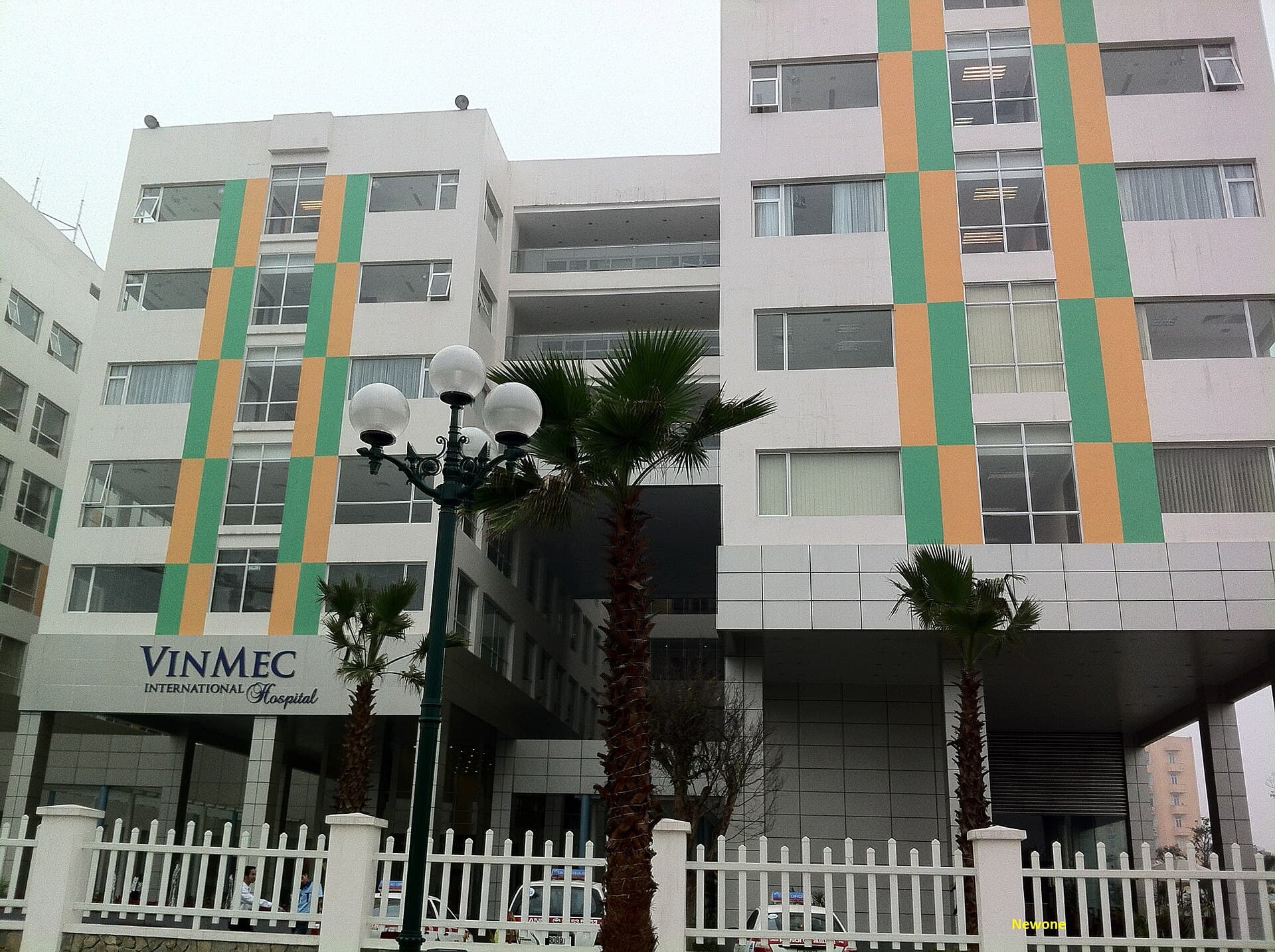
Vietnamese pharmacies — nhà thuốc, marked by a green cross and often three to a block — are one of the most quietly convenient things about travelling here. They are cheap, open long hours, and stock nearly every travel medicine you could want, frequently without the prescription you would need at home. The catch is quality control. The sector runs from professional national chains down to unlicensed corner shops, and counterfeit or heat-damaged medicine is a real risk at the bottom of that range. The working rule for travellers is simple: buy basics anywhere reputable, but for anything serious — antibiotics, blood-pressure medicine, anything you will take for more than a day or two — use a big chain: Long Chau, Pharmacity, or An Khang.
This guide covers the pharmacy counter only — what is easy to buy, what to bring from home, and how to handle minor ailments on the road. For hospitals, clinics, insurance, and the wider healthcare system, see the Vietnam healthcare and medical tourism atlas. For avoiding food-related illness in the first place, see is Vietnam street food safe. To be clear from the top: this is practical travel information, not medical advice — for chronic conditions, pregnancy, or children, talk to a doctor rather than a travel guide.
Chains vs corner shops: where to buy safely
Vietnam's pharmacy market splits into two tiers, and knowing which one you are standing in matters more than anything else in this guide.
| Tier | Who | What it looks like | Use it for |
|---|---|---|---|
| National chains | Long Chau (FPT Retail), Pharmacity, An Khang (Mobile World Group) | Air-conditioned, uniformed staff, barcoded stock, printed receipts | Everything, especially anything you swallow |
| Independent shops | Family-run nhà thuốc, market-adjacent stalls | A counter, glass cabinets, handwritten prices | Plasters, saline, sunscreen, insect repellent |
The chains are everywhere. Long Chau alone operated about 2,117 stores across all 34 provinces as of June 2025 per FPT Retail figures, with Pharmacity running 957+ stores and An Khang a few hundred more, mostly urban. You are rarely more than a few minutes from a chain branch in any city or tourist town, so there is little reason to gamble on an unbranded shop.
Why the distinction matters: counterfeit medicine is a documented problem across Southeast Asia, and the weakest links are unaudited shops with informal sourcing and no cold storage in a country where afternoons regularly pass 35°C. Most small shops are honest family businesses — but a traveller cannot tell the good from the bad, and the chain next door removes the need to try.
How a pharmacist consult works
The nhà thuốc doubles as first-line healthcare for much of Vietnam, and the consult is faster and more informal than Westerners expect. You walk up to the counter, describe or point at the symptom, the pharmacist asks a couple of questions, and you leave with a small dose of something — often a few tablets cut from a blister strip into a zip bag with the dosing written on it in pen. Nobody books an appointment and the advice itself costs nothing.
At chain branches in Hanoi, Ho Chi Minh City, Da Nang, and the main tourist towns, basic English is normal. Elsewhere, Google Translate carries the conversation — type the symptom, or photograph the medicine you take at home. Asking by generic name (ibuprofen, loratadine, cetirizine) works far better than asking by a brand name from your home market.
Prices are low by Western standards — a strip of paracetamol costs well under a dollar, and locally made generics sell for a fraction of US retail for the same molecule, though comparisons shift with the exchange rate. One habit worth adopting: ask to see the original box. Batch number and expiry date are your quickest genuine-product check.
What is easy to buy over the counter
Almost everything a traveller routinely needs is on the shelf without a prescription:
- Paracetamol — sold as Panadol, Efferalgan, or the local Hapacol
- Ibuprofen and other everyday anti-inflammatories
- Antihistamines — loratadine and cetirizine, for bites and mild allergies
- Oral rehydration salts — ask for Oresol, the local name everyone knows
- Motion-sickness tablets — dimenhydrinate, useful before sleeper buses and boat trips
- Antiseptics and antibiotic creams — povidone-iodine (Betadine), fusidic-acid creams
- Saline (nước muối sinh lý) — cheap bottles Vietnamese households use for eyes, noses, and wound rinsing
Then there are the things that are technically prescription medicines but often sold anyway. Vietnam's amended Pharmaceutical Law, effective July 1 2025, requires prescriptions for antibiotics — yet enforcement remains uneven, and rural studies have found around 91% of antibiotics sold without one. Chains are tightening; corner shops mostly are not. Treat that availability as a fact about Vietnam, not an invitation. Antibiotic resistance is a serious problem here precisely because of casual self-prescribing, and the stomach upsets most travellers reach for them with usually need none at all. If you think you need antibiotics, see a doctor or clinic first.
What to bring from home
The pharmacy counter covers the generic and the minor. Five categories are worth packing, because Vietnam either cannot match them or restricts them.
Your prescriptions, properly documented. Bring your full trip's supply in original packaging, with a copy of the prescription and a short doctor's letter naming the condition, the medicine (generic name), and the dose. This smooths border questions and makes replacement possible if a bag goes missing. Keep it in your carry-on — part of the packing plan in our first 24 hours in Vietnam guide.
Brand-specific and device-based medicines. Asthma inhalers, EpiPens, insulin, and thyroid medication are the classic hard-to-match items — the molecule may exist here, but the exact formulation, device, or dose often does not.
Your contraception. Oral contraceptive pills are sold over the counter cheaply, and emergency contraception is widely available, but the brand and hormone mix you are stable on may not be stocked. Bring enough of your own for the whole trip.
Controlled medicines — check before you fly. Vietnam restricts several categories that are routine elsewhere: amphetamine-based ADHD medicines, opioid painkillers, codeine combinations, and some sedatives. Rules and personal-use quantity limits shift, and travellers have had medication confiscated. Check current guidance with a Vietnamese embassy or consulate before departure, carry full documentation, and bring no more than the trip requires.
Anything niche. Specific migraine medicines, biologics, and less common molecules may simply not be here. Confirm before assuming.
The minor-ailment playbook
A short field guide to the four things most likely to send a traveller to the counter.
Traveller's stomach. Prevention and the full treatment logic live in our street food safety guide — the short version is that pharmacies stock Oresol and loperamide cheaply, most upsets pass within a day or two, and red flags (high fever, blood in stool, persistent vomiting, symptoms beyond about 48 hours) mean a clinic, not a counter.
Heat rash. Common in your first humid week. Cool showers, loose cotton, and a prickly-heat powder or mild hydrocortisone cream from any pharmacy usually settle it. If a rash spreads, blisters, or comes with fever, consult a doctor.
Mosquito bites. An oral antihistamine plus a soothing cream handles the itch, and repellents (Soffell is the local staple) are on every pharmacy shelf. The caveat that matters: dengue exists in Vietnam year-round. If you develop fever, headache, and body aches some days after being bitten, see a doctor promptly — and until dengue is ruled out, paracetamol is the usual choice over ibuprofen or aspirin.
Minor wounds. Small cuts and motorbike scrapes infect easily in tropical humidity. Rinse with saline, apply povidone-iodine or an antibiotic cream, cover during the day, and let it dry at night. Any spreading redness, warmth, or pus means a clinic visit. Animal bites and scratches are a different category entirely — rabies risk makes them an immediate clinic matter, never a pharmacy one. For where to go in each city, and for what your policy actually pays, see the healthcare atlas and our travel insurance guide — and keep every pharmacy receipt for claims.
Etiquette, translation, and 24-hour pharmacies
Queues are loose and transactions quick, so know what you want before you reach the counter. State the symptom rather than requesting a specific drug — the pharmacist will often suggest something cheaper and more appropriate. Google Translate's camera mode reads Vietnamese labels and dosing instructions in seconds — useful when handed a zip bag of unidentified tablets.
Every sizeable city has late-night options, though the roster changes. Some Long Chau and Pharmacity branches near major hospitals — Bach Mai and Vinmec Times City in Hanoi, Cho Ray and FV Hospital in Ho Chi Minh City, plus stores near Tan Son Nhat airport — run late or around the clock. Google Maps hours are usually reliable for the chains, and hotel reception can call ahead. If it genuinely cannot wait until morning, go to a hospital rather than hunting for an open counter.
Limitations
This is general, practical information for healthy adult travellers — it is not medical advice, and it cannot account for your conditions, interactions, allergies, pregnancy, or children. Workaround: talk to your own doctor before travelling if any of those apply, and carry a doctor's letter plus a telehealth contact for questions on the road.
Vietnam's pharmaceutical regulation is actively shifting — the July 2025 prescription rules are enforced unevenly today, and both enforcement and controlled-substance import rules may look different by the time you travel. Workaround: verify controlled-medicine rules with a Vietnamese embassy shortly before departure, and treat the availability described here as a 2025-2026 snapshot rather than a promise.
Store counts, brand availability, and 24-hour rosters change quickly in a market growing this fast. Workaround: check Google Maps for current hours and ask your accommodation — reception always knows the nearest reliable pharmacy.