
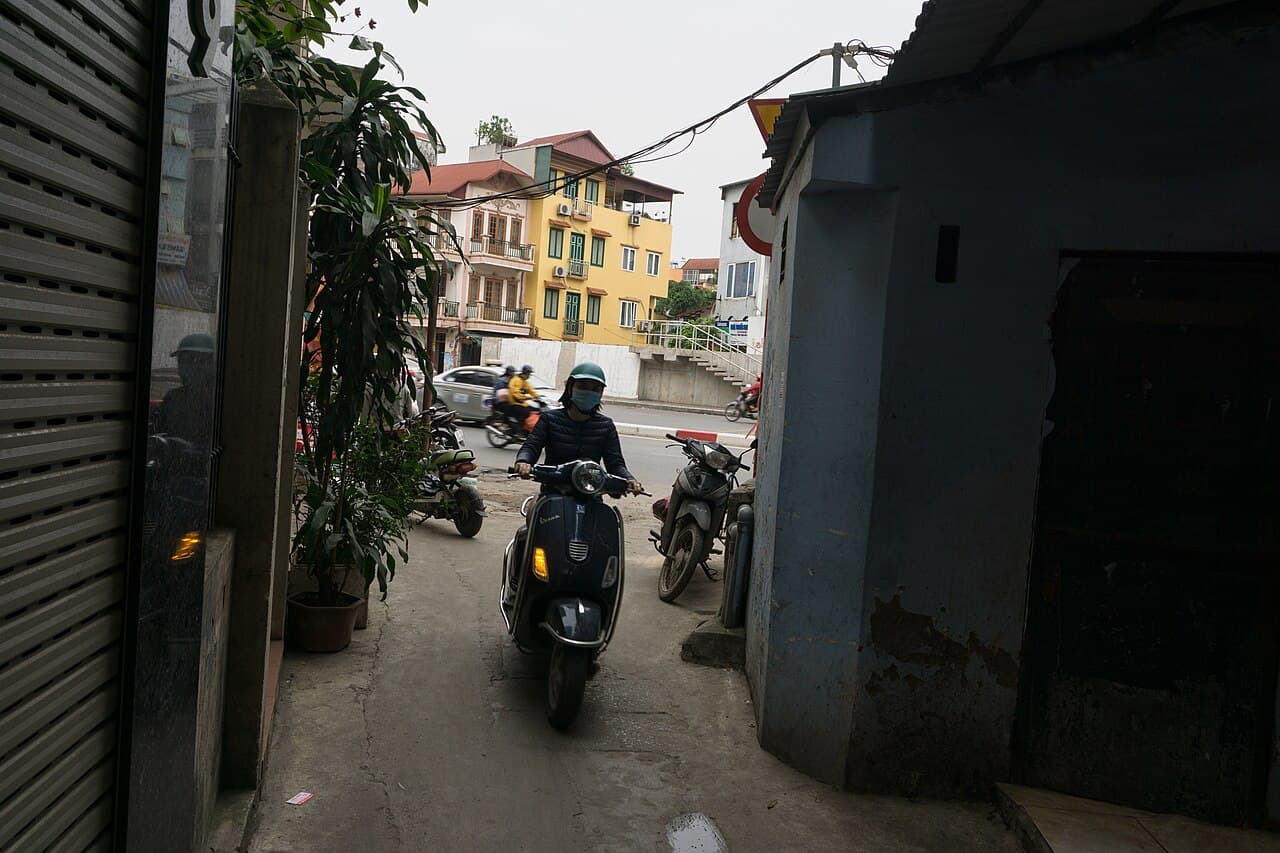
Motorbikes are how Vietnam actually moves. There are roughly 50 million registered bikes in the country and they absolutely dominate urban traffic, rural roads, and mountain passes. For the right kind of traveller, renting one is the single best way to see the country. For the wrong kind, it's the fastest way to end a trip in hospital or out of pocket on a bike you can't afford to repair. This page is the honest version.
Should I rent a motorbike in Vietnam?
Rent one if:
- You've ridden a motorbike or scooter regularly for at least a year
- You hold an International Driving Permit with an A1 (motorcycle) endorsement
- Your route includes specific scenic roads that are difficult by bus or car
- You have travel insurance that covers motorcycling at the engine size you're renting
Skip it if:
- Your only experience is a rented scooter in Bali, Greece, or Koh Samui once
- You'd be learning on Vietnamese roads
- You plan to ride in Hanoi or Ho Chi Minh City city centre as a beginner
- Your travel insurance has a motorbike exclusion (most do by default — check)
Where can I rent a motorbike in Vietnam?
Three categories of operator:
- Chain rentals — Tigit Motorbikes, Flamingo Travel, Style Motorbikes, and Rentabike in Hanoi and HCMC. Proper paperwork, serviced bikes, English-speaking staff, one-way drop-off between major cities. Most expensive, safest.
- Hotel and guesthouse rentals — common in Hoi An, Hue, Da Lat, Mui Ne, and Phong Nha. Mid-range pricing, mixed quality, usually no paperwork beyond taking your passport copy.
- Street shops — cheapest, and sometimes the bike reflects it. Check everything before handing over cash.
For the Ha Giang Loop, the specialist operators (QT Motorbikes, Jasmine's, Bong Hostel) run the entire package — bike, luggage transfer, and a GPS track.
How much should I pay to rent a motorbike in Vietnam?
Typical 2026 daily rates:
| Bike type | Daily (VND) | Weekly (VND) |
|---|---|---|
| Semi-auto 110cc (Honda Wave, Sirius) | 120,000–180,000 | 700,000–1,000,000 |
| Automatic scooter (Vision, Lead) | 150,000–220,000 | 900,000–1,300,000 |
| Automatic sport (Air Blade, NVX) | 180,000–280,000 | 1,100,000–1,600,000 |
| Manual 150cc (Honda XR150, CRF) | 250,000–400,000 | 1,500,000–2,500,000 |
One-way drop-off from Hanoi to HCMC (or vice versa) adds $50–120 depending on operator. Fuel is cheap — around 24,000–27,000 VND per litre, so a full tank on a scooter costs under 150,000 VND.
What routes are actually worth riding?
The undisputed classics:
- Ha Giang Loop — 3–4 days of mountain roads in the far north, arguably the best motorbike ride in Southeast Asia. Manual bike strongly recommended; many riders take the easy-rider option.
- Hai Van Pass — 25 km of coastal switchbacks between Da Nang and Hue. Rent in Hoi An or Da Nang, ride it, train the bike back or return the next day.
- Da Lat back roads — pine forests, waterfalls, coffee plantations. Gentle gradients, good introduction to rural riding.
- Phong Nha national park loop — quiet, scenic, jungle-cave country.
Where to rethink:
- Hanoi city centre — chaos. Beginners crash here. Use Grab.
- Ho Chi Minh City rush hour — as above, worse.
- Long highway legs — boring, hot, dangerous on a scooter.
What should I check before riding off?
A five-minute inspection saves a week of hassle:
- Brakes — squeeze both, front and rear. Firm, not spongy.
- Tires — tread present, no obvious cracks, pressure right.
- Lights — headlight high and low, indicators, brake light, horn.
- Chain and oil — chain slack under 2 cm, no oil drips under the bike.
- Fuel — note the level on handover.
- Damage photos — film a walk-around with the rental owner present.
Take a photo of the owner's ID and the shop. If anything goes wrong, you'll want it.
What about insurance?
The scooter rental includes basic third-party cover under the bike's registration — it won't pay your medical bills. Your travel insurance is what matters, and most policies exclude motorbike riding unless you:
- Hold a valid IDP with the right endorsement
- Are riding a bike under a certain engine size (often 125cc)
- Wear a helmet (assume required)
Read the exclusion list before you ride. A broken collarbone in Vietnam treated at an international hospital runs $5,000–15,000; air evacuation home is $30,000+. See our Vietnam safety guide for the longer version.
Common gotchas
- Passport deposits. Many rentals want to hold your passport. Use a photocopy if possible; if not, at least use a secondary passport or negotiate a cash deposit of $100–200 instead.
- "Damage" on return. Pre-ride photos and a dated video make this disappear.
- Fuel on return. Refuel before you hand the bike back; shops charge a premium to do it for you.
- Storms and floods. Central Vietnam gets serious rain October–November. Riding flooded roads ends in a ruined engine you'll be billed for.
- Theft. Park in guarded lots (typically 5,000–10,000 VND) rather than on the street overnight. Rental contracts make you liable for the bike's full value if it vanishes.
Used well, the motorbike is the most rewarding mode of getting around Vietnam. Used carelessly, it's the most expensive lesson you'll buy on the trip.
Limitations
Vietnamese law requires foreign motorbike riders to hold a valid Vietnamese driving license or an International Driving Permit (1968 Convention version) — most international visitors don't have either, which makes self-rental technically illegal and invalidates travel insurance in the event of an accident. Workaround: for the legal-and-insured path, hire a local rider-guide (Easy Rider style) where you ride pillion; if you do rent and ride yourself, accept the legal/insurance exposure consciously and ride conservatively. Cities like Hoi An and Mui Ne are more relaxed about enforcement; Hanoi and HCMC are stricter.
Rented motorbike quality varies sharply between rental operators, and breakdowns on the longer routes (Ha Giang loop, Hai Van Pass, Da Lat backroads) are common with the budget rentals. Workaround: pay the premium ($15-25/day vs $5-10/day budget) for an established operator (Tigit Motorbikes is the well-regarded long-distance specialist) and confirm tires, brakes, and chain condition before departing; for the Ha Giang loop and other multi-day routes, the breakdown-support inclusion is genuinely worth the extra cost.