
Vietnam stretches roughly 1,650 km from Hanoi in the north to Ho Chi Minh City in the south, with the key tourist cities — Hue, Da Nang, Hoi An, Nha Trang — strung along the coast between them. That geography shapes every transport decision. Short hops are easy; the full-length journey is the problem most travellers need to solve.
Which transport mode should I use in Vietnam?
A rough rule of thumb:
| Distance | Best option | Fallback |
|---|---|---|
| Under 30 km (in-city) | Grab / taxi | Walking, xe om |
| 30–200 km | Private car or train | Local bus |
| 200–800 km | Train (scenic) or sleeper bus (cheap) | Short flight |
| Over 800 km | Domestic flight | Sleeper train |
| Islands (Phu Quoc, Con Dao) | Flight | Ferry from mainland |
The single most useful realisation for first-time visitors: you do not need to choose one mode for the whole trip. Fly the long Hanoi–Da Nang or Da Nang–Ho Chi Minh City legs, train the Da Nang–Hue section for the Hai Van Pass views, and use Grab inside each city.
How much should transport cost on a two-week trip?
Budget around $120–250 per person for inter-city transport over two weeks, depending on how many flights you take. A realistic mix:
- Two domestic flights: $80–140
- One sleeper train: $25–45
- One sleeper bus: $15–25
- Daily Grab rides in cities: $3–6 per day
Compare that against our Vietnam budget breakdown for a full picture of trip costs.
Domestic flights
Two airlines dominate: Vietnam Airlines (full service, reliable) and Vietjet Air (low-cost, aggressive pricing). The Hanoi–Ho Chi Minh City corridor has around 40 flights a day. Book on the airline websites or via Traveloka; avoid third-party aggregators that add fees. Full detail in our Vietnam domestic flights guide.
Trains
The north–south Reunification Express runs the full length of the country on a single-track line, operated by Vietnam Railways. The train is slow but the coastal stretch between Hue and Da Nang is one of the best railway journeys in Southeast Asia. Popular segments:
- Hanoi to Sapa — overnight sleeper to Lao Cai
- Hanoi to Ninh Binh — 2 hours, scenic
- Da Nang to Hue — 3 hours over the Hai Van Pass
Sleeper buses
The default long-distance option for Vietnamese travellers and budget backpackers. Futa Bus (Phuong Trang) and The Sinh Tourist run the most reliable routes. Expect reclining pod seats, a blanket, and a 10-hour journey. Our sleeper bus guide covers the gotchas — including the fake Sinh Tourist offices on Hang Bac street in Hanoi.
Grab and taxis
In Hanoi, Ho Chi Minh City, Da Nang, and every other city that sees tourists, Grab is the default. It handles cars, motorbike taxis, and food delivery in one app. See our Grab and taxis in Vietnam guide for surge-pricing tricks and which metered-taxi brands to trust.
Motorbikes
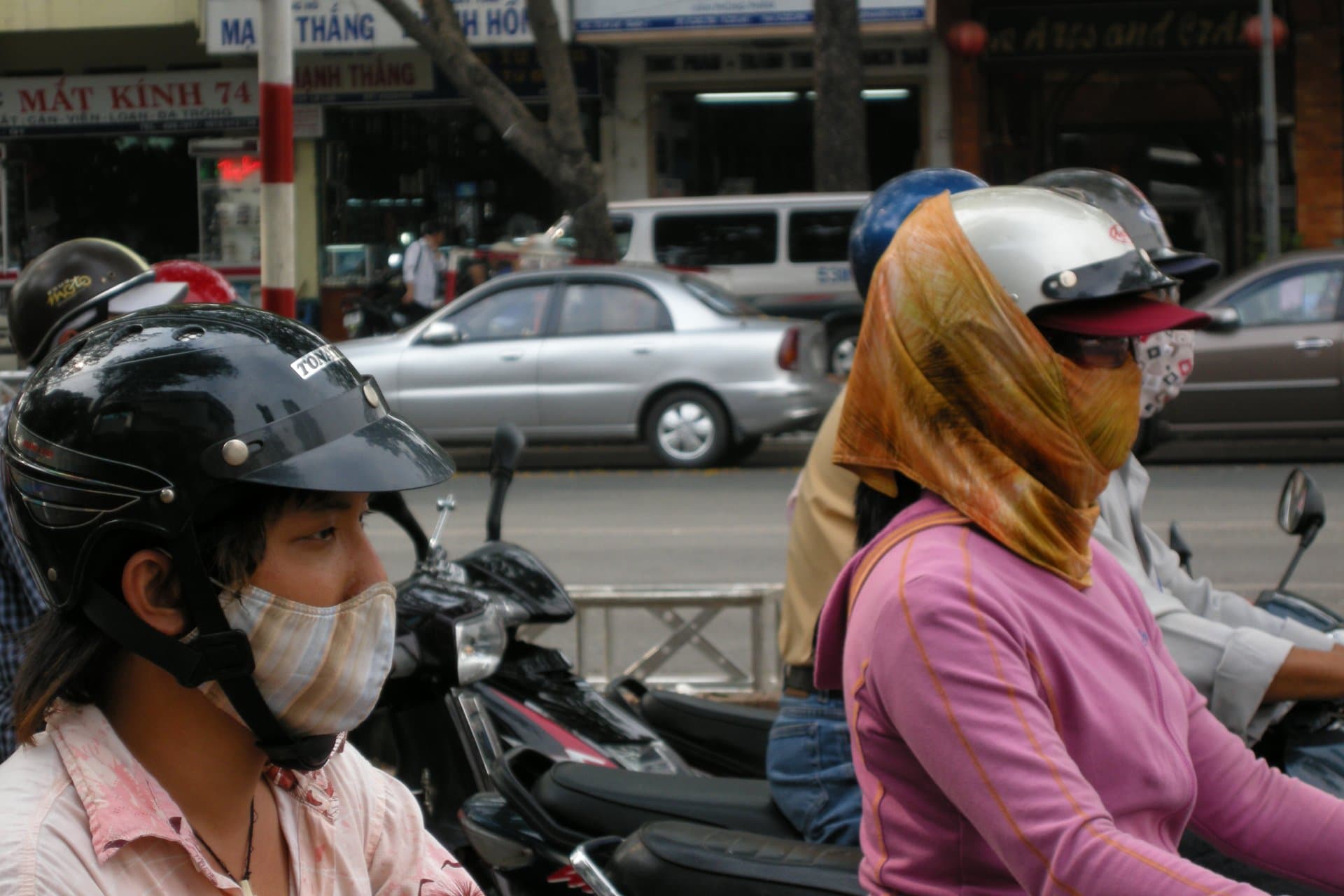
Vietnam has roughly 50 million registered motorbikes, and for experienced riders they're the most flexible way to see the country. The Ha Giang Loop, the Hai Van Pass between Da Nang and Hue, and the back roads of Mui Ne are justifiably famous. Read the motorbike rental guide before you sign anything — insurance and licence issues are real and expensive to get wrong.
What about safety?
Road fatality rates in Vietnam are high by Western standards. The biggest single risk factor is riding a motorbike without experience. Petty theft on sleeper buses and in overcrowded Grab pickups at airports is a distant second. Review our Vietnam safety guide and common scams before you travel.
Limitations
Vietnam's transport options vary widely by region — what works for north-south long-haul (train, domestic flight) doesn't fit short-hop coastal connections (where private car or limousine van wins). The "best mode" question genuinely depends on which two cities you're connecting and what time of year. Workaround: use this guide for the framework, then check our city-pair specific guides (Hanoi-Sapa, Hue-Hoi An via Hai Van Pass, Da Nang-Hoi An) for the route-by-route detail; don't generalise.
Booking platforms (12Go Asia, Baolau, operator websites) sometimes show inventory that doesn't match what's actually available at the station — late-booking last-minute travellers occasionally discover sold-out trains or buses that the booking platform showed as available. Workaround: for tight timing, book directly with operators (Vietnam Railways' website for trains, Vietnam Airlines or VietJet for flights, Sapa Express / FUTA for buses) at least 48 hours ahead; or buy at the station for same-day flexibility on routes that don't typically sell out (most short-haul buses).