
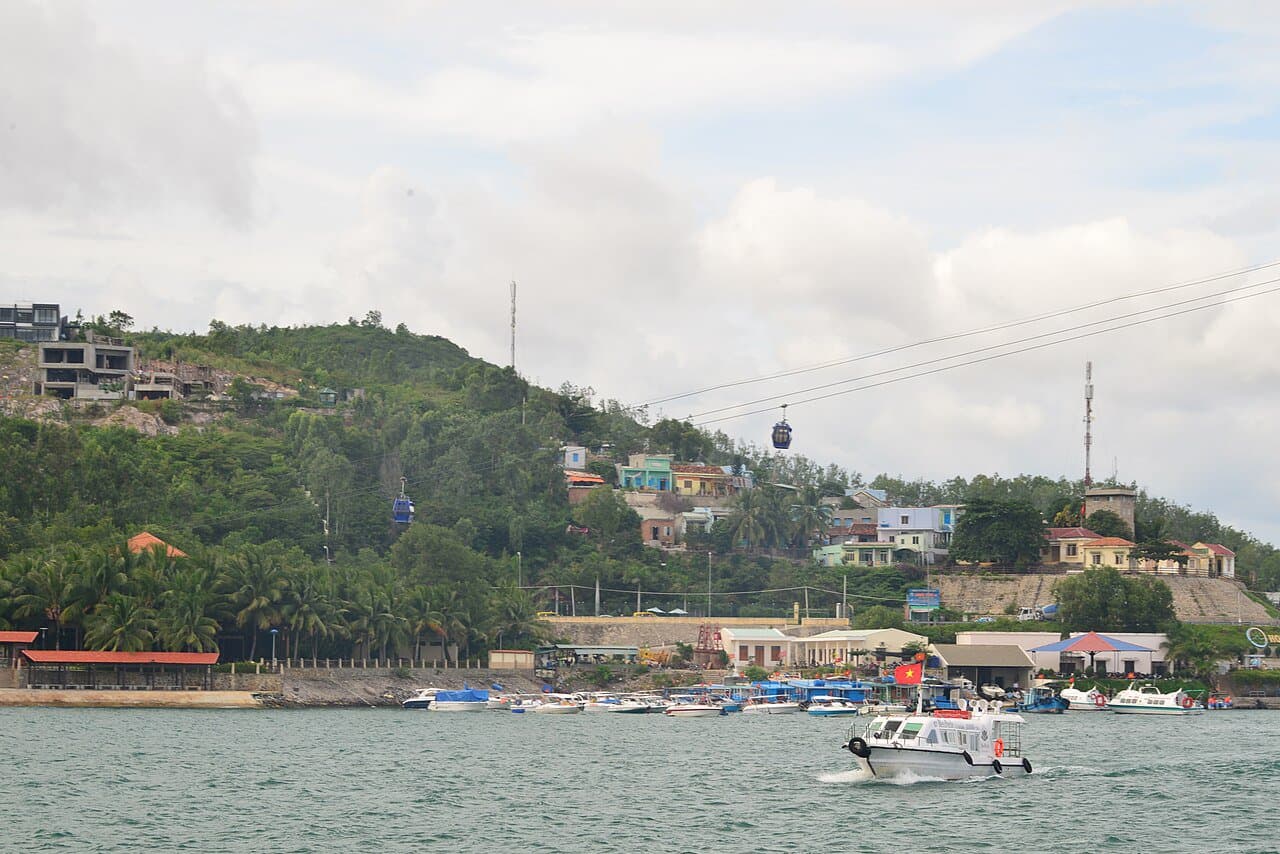
Vietnam has three serious beach destinations, all dramatically different from each other. Phu Quoc is an island resort experience — Vietnam's largest island, isolated and pristine. Nha Trang is a busy beach city — long urban beach, the most touristy and traditionally party-oriented. Da Nang is urban-beach with cultural depth — My Khe Beach plus immediate access to Hoi An, Hue, Marble Mountains, and the broader central Vietnam experience.
This compare gives you the practical decision plus the full context on what each delivers.
The 90-second answer
- Pick Phu Quoc if you want pure beach relaxation at a resort — island isolation, the highest-quality beaches, all-inclusive resort options. Best fit for couples and travellers prioritising "switch off."
- Pick Da Nang if you want city + beach + culture in one base — modern accommodation, easy day trips to Hoi An and Ba Na Hills, top-tier food scene including Vietnam's first Michelin Green Star.
- Pick Nha Trang if you want affordable beach and active nightlife — long urban beachfront, party scene, package-tour-friendly pricing.
Side-by-side basics
| Phu Quoc | Nha Trang | Da Nang | |
|---|---|---|---|
| Type | Island resort | Beach city | Urban beach + cultural hub |
| Location | Off Cambodia (south) | South-central coast | Central coast |
| Beach quality | Best of the three | Good (urban beach) | Excellent (My Khe, top-10 in Asia 2024) |
| Atmosphere | Pristine, isolated, resort-luxury | Touristy, busy, beach-resort feel | Modern city, growing fine-dining, cultural |
| Distance from Hanoi (flight) | ~2 hrs | ~1.5–2 hrs | ~1h20m |
| Distance from HCMC (flight) | ~1 hr | ~1h–1h30m | ~1 hr |
| Best for | Couples, all-inclusive, quiet | Backpackers, nightlife, package tours | Families, food, base for Hoi An |
| Day-trip access | Limited (island) | Vinpearl, Po Nagar, Long Son Pagoda | Hoi An, Marble Mountains, Hue, Ba Na |
| Best season | Nov–Apr | Jan–Aug | Jan–Jul |
| Hotel range | Premium-leaning | Wide budget-to-luxury range | Wide modern range |
| Vietnamese culinary scene | Growing | Modest | World-class (7 Michelin stars 2024) |
Phu Quoc: pure island resort
Phu Quoc is Vietnam's largest island, off the southwestern coast near the Cambodia maritime border. The island has been transformed over the past decade from a quiet fishing-and-pepper-farm community into one of Southeast Asia's premier resort destinations.
The Phu Quoc offer:
- Top-tier beaches — Khem Beach (Bãi Khem, southern Phu Quoc) ranked 43rd among the world's 50 most beautiful beaches. Sao Beach (Bãi Sao) has appeared on multiple "world's most pristine beaches" lists. Bãi Trường (Long Beach) is the longest, with most of the resort development.
- All-inclusive resorts — JW Marriott Phu Quoc Emerald Bay, Salinda Resort, La Veranda are international-tier; the Vinpearl complexes are the larger Vietnamese-domestic options.
- VinWonders / Vinpearl Safari — Vietnam's largest theme park complex, on the northern part of the island.
- Boat trips and snorkelling — the An Thoi archipelago south of the main island has the country's better Vietnamese snorkelling. Visibility varies seasonally.
- Night market — Duong Dong night market is the main commercial hub, with seafood and pearl shopping.
What Phu Quoc isn't:
- Not a cultural destination. There's a small fishing village and the Coconut Tree Prison museum, but Phu Quoc's appeal is overwhelmingly beach + resort.
- Not a budget destination. Cheaper accommodation exists, but the island's economics push pricing higher than Nha Trang.
- Not for travellers prioritising independent local-food immersion. The resort-economy structure means most food experiences are mediated through hotels or designed for international visitors.
Who Phu Quoc suits: couples, honeymoons, families with young children at all-inclusive resorts, travellers seeking quiet pristine beaches, anyone wanting a "no-thinking-required" beach-resort week.
Nha Trang: the beach city
Nha Trang is Vietnam's longest-established beach city — a south-central coast destination that's been a domestic tourism hub for decades. The 6 km city beach, lined with hotels and restaurants, is the country's longest urban beachfront.
The Nha Trang offer:
- City beach — long, straight, golden sand. Functional rather than spectacular. Free public access along the entire length.
- Vinpearl Land — large theme park / aquarium / water park complex on Hon Tre island, accessed by cable car.
- Po Nagar Cham Towers — 7th–12th century Cham temple ruins above the Cai River, walkable from town.
- Long Son Pagoda — Buddhist temple with a giant white Buddha statue.
- Island-hopping boat tours — 4-island tours are the staple Nha Trang day activity, often combined with snorkelling and boat-restaurant lunches.
- Mud baths — the Thap Ba mineral hot springs are a Nha Trang specialty.
- Affordable accommodation — 4 and 5-star hotels often available from $25–40/night, the cheapest among the three for premium tier.
- Nightlife — Nha Trang's nightlife scene is more developed than Phu Quoc's or Da Nang's, with bars, clubs, and a substantial Russian-language tourism economy.
What Nha Trang isn't:
- Not the most beautiful beach. Quality is good but not Phu Quoc-level. The urban-beach format means swimming areas can feel busy.
- Not a culinary destination. Food is fine; nothing distinguished.
- Not the most refined experience. The city has been built up for high-volume package tourism, and it shows in the architecture and street-front commerce.
Who Nha Trang suits: budget travellers, nightlife-oriented backpackers, package-tour group travellers, large family groups looking for affordable beach + theme-park combination.
Da Nang: city + beach + culture
Da Nang is Vietnam's third-largest city and one of the country's fastest-growing urban centres. The city has invested heavily in tourism infrastructure over the past decade and is now the upmarket alternative to Nha Trang for international visitors.
The Da Nang offer:
- My Khe Beach — ranked 6th most beautiful beach in Asia in 2024. Long city-beach format but well-maintained, with the famous wartime "China Beach" history.
- Han River bridges — the Dragon Bridge breathes fire on weekends, the Han River swing-bridge rotates nightly. Photogenic urban-tourism elements.
- Ba Na Hills — French-themed hill station with the Golden Bridge (the giant stone hands holding up a walkway). Highly built-up, divisive among independent travellers but iconic.
- Marble Mountains — five Buddhist temple-and-cave complexes 9 km south of the city, on the road to Hoi An.
- Son Tra Peninsula — protected forest with the Lady Buddha statue and beach views; popular for half-day trips.
- Cham Museum — Vietnam's best collection of Cham sculpture.
- Easy access to Hoi An — 30 minutes by car/Grab. Many travellers base in Hoi An and day-trip to Da Nang, but staying in Da Nang and day-tripping to Hoi An works equally well.
- Hue access — 2.5 hrs north via Hai Van Pass.
- Top-tier food scene — 2024 Michelin Guide stars at seven Da Nang restaurants; Nén Da Nang received Vietnam's first Michelin Green Star (sustainability recognition). See our Vietnam culinary tourism research.
What Da Nang isn't:
- Not as "beach-pure" as Phu Quoc. The urban setting means the beach experience is mixed with city traffic and infrastructure.
- Not as nightlife-heavy as Nha Trang. The party scene is smaller; the upscale rooftop / craft-cocktail scene is what's growing.
- Not isolated. If you want to feel away from cities and tourism volume, Phu Quoc is the answer.
Who Da Nang suits: first-time visitors who want city + beach + culture, food-focused travellers, families wanting both beach time and cultural day trips, anyone using Da Nang as the central-Vietnam base for Hoi An and Hue.
Cost comparison
For a 5-night stay with mid-range accommodation, restaurants, and a day activity:
| Phu Quoc | Nha Trang | Da Nang | |
|---|---|---|---|
| Mid-range hotel/night | $50–120 | $25–60 | $50–110 |
| Premium hotel/night | $200–500+ | $80–180 | $150–400+ |
| Mid-range restaurant meal | $10–20 | $6–12 | $8–18 |
| Day boat / activity | $25–50 | $20–40 | $30–70 |
| Beach-club access | $15–30 | $5–15 | $10–25 |
Nha Trang is consistently the cheapest for comparable quality. Phu Quoc is the most expensive outside of luxury Da Nang. Da Nang sits in the middle for most categories.
When to visit each
The three destinations have meaningfully different seasonal patterns:
| Destination | Dry season (best) | Wet season |
|---|---|---|
| Phu Quoc | November–April | May–October |
| Nha Trang | January–August | September–December |
| Da Nang | January–July (best) | August–December (typhoon season) |
The seasonality variation is genuinely useful: Phu Quoc is the only one of the three with a clear opposite-season pattern from central Vietnam. If you're visiting Hoi An or Hue in May–September (their typhoon-affected season), Phu Quoc is the beach option that works in those months. If you're visiting in November–April (peak central Vietnam season), Da Nang or Nha Trang are the easier add-ons.
Day-trip portfolios
From Phu Quoc:
- An Thoi archipelago snorkelling (full day)
- Sao Beach / Khem Beach (half-day each)
- VinWonders / Safari World (full day)
- Pearl farm tours (half-day)
- Squid-fishing night tour (3–4 hrs)
From Nha Trang:
- 4-island boat tour (full day)
- Vinpearl Land (full day)
- Po Nagar Towers + Long Son Pagoda (half-day)
- Mud baths (half-day)
- Doc Let Beach (full day)
From Da Nang:
- Hoi An (full or half day)
- Marble Mountains + Lady Buddha (half-day)
- Ba Na Hills (full day)
- Hue via Hai Van Pass (full day)
- Son Tra Peninsula (half-day)
- Cham Museum (2–3 hrs)
The Da Nang day-trip portfolio is meaningfully richer than the other two — central Vietnam's combination of UNESCO heritage, mountain landscapes, and beach makes it the best base for travellers who want variety.
When to pick each
Pick Phu Quoc if:
- Pure beach relaxation is the goal.
- You want quiet, isolated, resort-luxury experience.
- You're a couple, honeymooners, or travelling with very young children.
- You're visiting Vietnam in May–September and need a beach option.
- You don't mind the more limited cultural / day-trip portfolio.
Pick Nha Trang if:
- Budget is a primary constraint.
- You want active nightlife and a young-traveller scene.
- You're with a Russian-speaking traveller or in a Russian-tour-group context.
- You want package-tour beach + theme-park combination.
- You're visiting May–September and want the south-coast option.
Pick Da Nang if:
- You want city + beach + culture in one base.
- You're food-focused (the Michelin scene is real here).
- You're visiting Hoi An and want a different base for variety.
- You're a first-time visitor and want maximum day-trip variety.
- You're travelling November–April and want the central-coast option.
Final recommendation
For most first-time visitors who want one beach destination as part of a wider Vietnam trip: Da Nang. It delivers respectable beach time alongside the richest day-trip portfolio in the country, modern infrastructure, and the food scene that's increasingly the headline.
For travellers prioritising pure beach experience: Phu Quoc. The island offer is genuinely different and increasingly the choice for resort-luxury travel in Southeast Asia.
For budget travellers, party-scene seekers, or large package-tour groups: Nha Trang. It's the most accessible price-wise and the easiest to "do" without much planning.
If you have 2 weeks and want both city + beach: Da Nang as your central Vietnam beach base, Phu Quoc as a 3–4 day end-of-trip beach finale. This combination is one of the most-recommended structures for Vietnam beach-and-culture trips.
Limitations
Resort and accommodation rates on Phu Quoc shift quarterly with the dry-season-vs-wet-season demand cycle. The price ranges here are mid-range observations from April 2026 (dry-season tail). Workaround: consult the Vietnam Travel Cost Index 2026 for the source-cited methodology and current ranges — it's our annually-refreshed reference and feeds the figures here.
The beach-quality comparison is editorial — we haven't done formal water-quality testing across the three. Workaround: the forthcoming Vietnam Beach & Coastal Water Quality Atlas (publishing September 2026) carries VEA + provincial DONRE data per beach.
Related on this site
- Phu Quoc destination guide — beaches, resorts, where to stay
- Nha Trang destination guide — town overview, day trips, boat tours
- Da Nang destination guide — districts, food, central-Vietnam access
- 14 days in Vietnam — itinerary doing both Da Nang and Phu Quoc
- Vietnam culinary tourism research — Da Nang's food-scene growth in context