
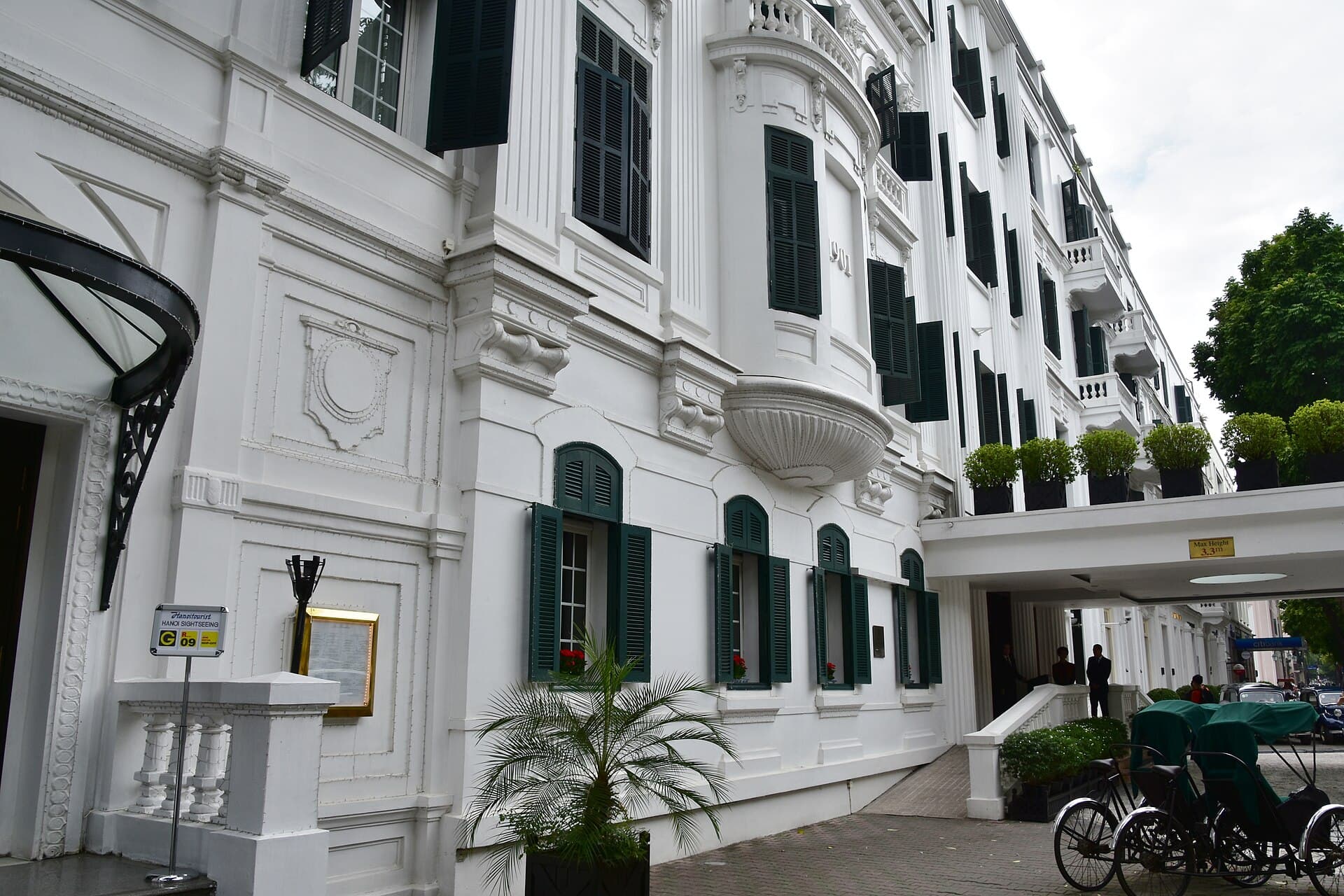
The reliable way to book accommodation in Vietnam in 2026 is boring and it works: open Agoda and Booking.com in two tabs for the same dates and room, apply any Genius discount to the Booking rate, take the cheaper one — then, if it is a small family hotel or homestay, message the property directly before you commit. Agoda usually comes out ahead in Vietnam, but not always, and the gap flips constantly, so the comparison is the whole game. This guide is about the mechanics of booking and getting the best rate, not the prices themselves. For what a room actually costs by city and tier, see our Vietnam hotel prices guide. One thing worth saying up front: we take no commissions on any booking, so none of the platforms below is a recommendation we are paid to make.
Which platform tends to win in Vietnam
Agoda and Booking.com are both owned by the same parent company, but they are separate brands with separate inventory, separate accounts, and separate prices. In Vietnam and across Southeast Asia, Agoda tends to have the edge. It grew up in the region and negotiates directly with Asian hotel groups, so it often lists more small local properties and undercuts on price a solid majority of the time. Independent comparisons in the region put Agoda's typical saving in the high single digits to mid-teens percent, though that is an average with a lot of scatter.
Booking.com is still worth checking every time. It usually carries a deeper pile of reviews, its free-cancellation terms are often cleaner, and on any given night it can be the cheaper of the two. Because the two brands do not share inventory, a room can be sold out or pricier on one and available on the other.
Traveloka is the regional wild card. Founded in Indonesia and strong across Southeast Asia, it occasionally undercuts both — especially on last-minute rooms in secondary cities like Da Nang and when a local bank or e-wallet promo applies. Together, Agoda, Booking.com, and Traveloka control the large majority of Vietnam's online travel market, so those three tabs cover almost everything. Airbnb exists in Vietnam but is thin, and many listings are the same hotels you would find on the OTAs anyway.
The takeaway is not "use Agoda." It is: compare two or three, every time, for your exact dates.
When messaging the hotel directly beats the app
Here is the part the apps would rather you skipped. Vietnamese properties pay the platforms a commission of roughly 15-25% on every booking. For a small, independent place, that is real money, and many owners will happily share some of it with you if you book directly instead.
This works best for:
- Family-run guesthouses and homestays, especially in Sapa, Ha Giang, Mai Chau, the Mekong Delta, and Hoi An's outskirts, where the owner runs the booking themselves.
- Boutique and independent hotels that are not part of a chain.
- Longer stays, where the commission the owner saves is larger and there is more room to negotiate.
The method: find the property on Agoda or Booking first so you know the market rate and can see the reviews, then contact it directly through Zalo (Vietnam's dominant messaging app), WhatsApp, Facebook, or its own website. A short, polite message with your dates and guest count, asking whether there is a direct rate for the stay, often gets you a better price — sometimes with a free airport pickup or breakfast attached. Get the agreed number in writing in the chat, and plan to pay in cash on arrival.
Where this does not help: international chains and big city towers. Their direct rates usually match the app, the staff have no authority to discount, and you lose the app's free-cancellation safety net. For those, just book through whichever platform was cheapest. Our where to stay in Vietnam guide covers which neighbourhoods and property types suit each city.
Genius, coupons, and loyalty: what is actually real
Booking.com's Genius programme is genuine but modest. It typically knocks around 10% off, it applies only to participating properties rather than every listing, and the level you reach depends on how many stays you have completed. Apply it, because it is free, but do not let it stop you comparing — a Genius rate can still lose to a plain Agoda price or a direct message.
Agoda's coupons and flash deals work similarly: the headline discount is often real, but it is stacked on a starting price that may already be higher than a rival's. Coupon codes from third-party sites are hit-and-miss and frequently expired. The honest summary is that loyalty schemes and coupons are tiebreakers, not shortcuts around the basic habit of checking more than one platform.
Prepay or pay at the hotel, and the cash-on-arrival norm
Most platforms offer two flavours of the same room: a prepaid, non-refundable rate that is a little cheaper, and a pay-at-the-property rate with free cancellation up to a day or two before arrival.
For most independent travel in Vietnam, pick the free-cancellation, pay-at-hotel option. Itineraries here move around more than you expect — a sleeper bus gets cancelled, the weather closes a boat, you decide to give Hoi An two more nights. The small premium over the non-refundable rate buys you the freedom to change your mind. Save the prepaid rate for dates that are genuinely locked, like a flight-anchored first night.
Pay-at-hotel also matches how Vietnam actually works. Budget guesthouses and homestays frequently expect payment in cash (Vietnamese dong) at check-in, and even many mid-range hotels prefer it. Card acceptance is widespread at the mid-range and up, but a card surcharge of around 3% sometimes appears. Carry enough dong for arrival, and see our card vs cash guide and ATM fees guide for how to get it cheaply.
Ignore the fake-scarcity pressure
The countdown timers, the "only 1 room left at this price," the "8 people are looking right now" banners — treat all of it as marketing. UK regulators investigated the major booking sites and made them curb exactly these tactics after finding they pressured and misled shoppers. Occasionally a room genuinely is the last at that rate on that platform, but the identical hotel is usually available on another site or directly. Never let a ticking clock push you into a non-refundable booking you have not compared. For the wider set of booking-time traps, our hidden costs and scams guide is the companion to this one.
Tet and peak-season lead times
Timing changes the whole calculus. For ordinary travel, booking the first night or two in each city about 2-3 months ahead is plenty, and off-season you can often walk in or book same-day and negotiate at the desk.
The exception is peak demand. Around Tet (Lunar New Year, in February), Vietnamese domestic travel surges, popular hotels and cruises can sell out two to three months in advance, and rates climb 30-50%. Book those far earlier than you would elsewhere. Beach cities like Da Nang, Nha Trang, and Phu Quoc also jump on summer weekends when locals travel. Our best time to visit guide has the seasonal calendar, and the travel cost index shows how accommodation fits your overall budget.
Limitations
Prices, commission rates, and platform features change constantly, and the figures here are typical patterns as of mid-2026, not guarantees for your specific dates. Agoda "usually" winning in Vietnam is a tendency drawn from regional comparisons, not a rule — which is exactly why the guide tells you to check both rather than trust one. Direct-booking savings vary enormously by property and by how the owner runs their business; some independent hotels genuinely cannot beat the app, and pushing hard for a discount can sour a stay. We take no commissions and have no relationship with any booking platform, so we cannot see or promise any rate — treat every number as something to verify at the point of booking.