
Seven days in Vietnam forces one honest decision up front: go deep on one region, or accept one internal flight to sample two. A week does not allow the whole country. Vietnam is roughly 1,650 km long; Hanoi to Ho Chi Minh City is a 2-hour flight, and the classic north-to-south sweep needs 10 to 14 days. Cram Hanoi, Ha Long, Hue, Hoi An, and Saigon into seven days and you spend three of them in transit.
So here are three realistic routes instead of one compromised plan. Pick the one that matches what you want from the week.
- Route A — North only. Hanoi, Ninh Binh, Ha Long Bay, with an optional Sapa swap. The most relaxed of the three.
- Route B — Central. Da Nang and Hoi An, Hue, plus Phong Nha or My Son. The easiest pacing and usually the cheapest.
- Route C — North-to-central highlights. The "I have to see a bit of both" route, made possible by a single Hanoi-to-Da Nang flight, and honest about the pace cost.
Route A — North only
The most relaxed 7-day option, and the natural extension of our 5-day north route: the same Hanoi, Ninh Binh, and Ha Long Bay anchors, but with the breathing room five days never quite gives you.
| Day | Where | What |
|---|---|---|
| 1 | Hanoi | Arrive, Old Quarter walk, bún chả dinner |
| 2 | Hanoi | Mausoleum complex, Temple of Literature, Train Street |
| 3 | Ninh Binh | Limousine van down, Hoa Lu + Trang An boat, overnight |
| 4 | Ninh Binh → Hanoi | Mua Cave sunrise climb, Bai Dinh, back to Hanoi by evening |
| 5 | Ha Long Bay | Cruise pickup 8 a.m., overnight on the boat |
| 6 | Ha Long → Hanoi | Sunrise, disembark 11 a.m., back to Hanoi mid-afternoon |
| 7 | Hanoi | Slow last day — coffee crawl, West Lake, evening flight out |
Day 1. Arrive Noi Bai (HAN), Grab to the Old Quarter (35-45 min, $12-18). Evening Old Quarter loop, bún chả at a local stall, a draught at Bia Hơi Junction.
Day 2. Ho Chi Minh Mausoleum complex (open 7:30-10:30 a.m.; closed 2-4 months a year for maintenance, so verify), Temple of Literature, the Museum of Ethnology in the afternoon, Train Street at dusk if open. Our 3-day Hanoi itinerary has the deeper stop-by-stop.
Days 3-4. The thing five days can't fit: a Ninh Binh overnight. Limousine van down (1h 25m-1h 45m), afternoon Hoa Lu and the Trang An boat tour, dinner of goat hot pot. Next morning, the Mua Cave climb at sunrise — 500 steps to the ridge over Tam Coc, empty and golden before the buses, the one Ninh Binh photo worth the early alarm. Bai Dinh Pagoda after breakfast, back to Hanoi by evening.
Days 5-6. The Ha Long Bay overnight cruise. Pickup 8 a.m. (2.5-3 h on the expressway), cave and kayak in the afternoon, the unmissable sunset hour, dinner aboard. Sunrise on the sundeck, a final excursion, disembark 11 a.m., back in Hanoi mid-afternoon.
Day 7. A genuinely slow last day — the luxury this route buys you. Coffee crawl, West Lake, a stop you missed, then the evening flight out.
Who it's for. First-timers who want the north's headline landscapes without feeling rushed, and anyone who found the 5-day plan too tight.
The Sapa swap. If terraced rice valleys appeal more than karst seas, swap Ha Long for Sapa: Hanoi (2 nights), overnight bus to Sapa (2 nights of homestay and trekking), then Ninh Binh. You drop Ha Long entirely — adding Sapa on top of the loop overloads the week. See our Sapa guide.
Cost (mid-range, per person). Roughly $800-1,300: Hanoi hotel ($50-90/night), Ninh Binh homestay, a 4-star Ha Long cruise ($120-180), meals and Grab. Backpacker around $450-650; comfort $2,000-3,000. Hedge against the Vietnam Travel Cost Index 2026.
Transfer logic. No flights, no driver. Limousine vans handle Hanoi-Ninh Binh; the cruise coach handles Ha Long.
Route B — Central Vietnam
The easiest-paced and usually cheapest of the three, because central distances are short and there is no cruise. Da Nang's airport puts you within an hour of everything that matters.
| Day | Where | What |
|---|---|---|
| 1 | Da Nang / Hoi An | Arrive Da Nang (DAD), transfer to Hoi An, riverside evening |
| 2 | Hoi An | Old Town, tailor order, cooking class or An Bang beach |
| 3 | Hoi An | My Son sanctuary morning, lantern-lit evening, collect tailoring |
| 4 | Hoi An → Hue | Private car over the Hai Van Pass with photo stops |
| 5 | Hue | Imperial Citadel, Tu Duc tomb, Perfume River |
| 6 | Hue → Phong Nha | Train or van north, Paradise Cave + Phong Nha Cave |
| 7 | Phong Nha → Da Nang | Back south, last Da Nang afternoon, evening flight out |
Day 1. Arrive Da Nang (DAD), the central region's hub airport. Transfer to Hoi An (40 min, $12-16 by Grab; see Da Nang airport to Hoi An). Settle in on the river-south side, easy evening walk.
Days 2-3. Hoi An at a human pace. Old Town before 8 a.m. for empty lanes, the 5-monument ticket, a tailor order placed early for a 24-48 hour turnaround. Afternoon choice of a cooking class, the Cẩm Thanh basket-boat village, or An Bang beach. On day 3, the My Son sanctuary in the morning — 4th-13th-century Cham brick towers, our My Son day trip covers the early start — then lantern photography at dusk and tailoring pickup.
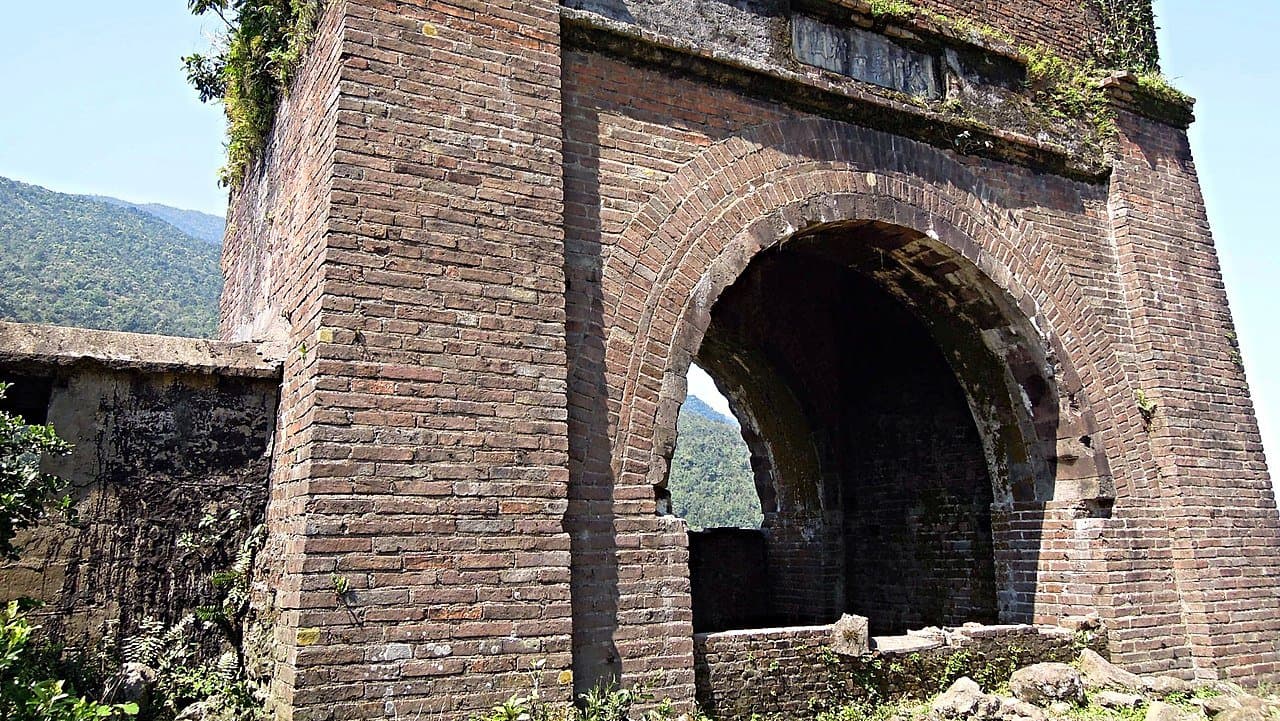
Day 4. The set-piece transfer: a private car over the Hai Van Pass to Hue ($60-80 with stops). Lang Co Beach, Lap An Lagoon, the 496 m summit, optional Marble Mountains — the one leg where the journey is the attraction. See our Hai Van Pass day trip.
Day 5. Hue, Vietnam's imperial capital from 1802 to 1945. The Imperial Citadel (Đại Nội) needs 2-3 hours; Tu Duc is the right tomb if you only have time for one. Bún bò Huế for lunch, a Perfume River dragon-boat at golden hour.
Days 6-7. North to Phong Nha, the karst cave country, by train (the scenic Hue-Đồng Hới stretch) or van. Paradise Cave and Phong Nha Cave fill a day; see our cave guide. Back to Da Nang on day 7 for a last beach afternoon before the evening flight.
Lighter alternative. If caves don't pull you, skip Phong Nha, give Hue a second night, and add a Da Nang day (Ba Na Hills and the Golden Bridge, or the Son Tra peninsula). Shorter transfers, slower week.
Who it's for. Travellers who prize walkable old towns, imperial history, and beaches over karst seascapes, and who want the gentlest pacing of the three.
Cost (mid-range, per person). Roughly $700-1,200, typically the cheapest route: no cruise, short transfers, hotels $40-80/night. The Hai Van car and a cooking class are the main splurges. Backpacker around $400-600; comfort $1,800-3,000.
Transfer logic. One private car (Hue-Hoi An), otherwise Grab and one train or van leg to Phong Nha. The Da Nang to Hue train is the scenic pick if you reverse the order. No internal flights.
Route C — North-to-central highlights
The "I have to see a bit of both" route. One internal flight — Hanoi to Da Nang, 1h 20m — stitches the north's headline bay to the centre's old town. It works, but be honest: every stop gets trimmed, and a half-day disappears into logistics.
| Day | Where | What |
|---|---|---|
| 1 | Hanoi | Arrive, Old Quarter walk, bún chả dinner |
| 2 | Hanoi | Mausoleum complex, Temple of Literature, Train Street |
| 3 | Ninh Binh (day trip) | Hoa Lu, Trang An boat, Mua Cave; back to Hanoi by 7 p.m. |
| 4 | Ha Long Bay | Cruise pickup 8 a.m., overnight on the boat |
| 5 | Ha Long → Hanoi → Da Nang | Disembark 11 a.m., back to Hanoi, evening flight south |
| 6 | Hoi An | Old Town, tailor, cooking class or beach |
| 7 | Hoi An / Da Nang | Last morning, Grab to Da Nang, evening flight out |
Days 1-2. Hanoi as in Route A — arrival evening, then a full city day. No overnight luxury here; the clock is tighter.
Day 3. Ninh Binh as a day trip, not an overnight — this is the first pace cost. Group tour pickup 7:30 a.m., Hoa Lu, the Trang An boat, Mua Cave, back in Hanoi by 7 p.m. You lose the sunrise Mua climb that Route A buys, but you keep the flight day intact.
Day 4. The Ha Long Bay overnight cruise, same as Route A days 5-6 compressed: pickup, cave, kayak, sunset, dinner aboard.
Day 5. The pivot day, the one most exposed to delay. Sunrise on the bay, disembark 11 a.m., coach back to Hanoi by 2-3 p.m., Grab to Noi Bai, evening flight Hanoi to Da Nang ($40-80 booked ahead). Arrive Hoi An late. A delayed cruise return or a flight slip eats the evening — book with margin and a reliable carrier. See Vietnam domestic flights.
Days 6-7. Hoi An, fast: Old Town early, a tailor order on a rush turnaround, a cooking class or An Bang beach, lantern evening. Day 7 is a last morning, then Grab to Da Nang (40 min) for the flight out.
The honest pace cost. This route has four hotel changes and the busiest single day of the three plans. Ninh Binh drops to a day trip, Hoi An gets a day and a half, and there's no slack for a missed connection. It's right only if seeing both regions matters more than seeing either well.
Who it's for. Travellers on a once-in-a-lifetime week who would rather glimpse both the north and the centre than go deep on one — and who can roll with a tight day 5.
Cost (mid-range, per person). Roughly $900-1,400, the dearest of the three because of the flight plus a cruise. Backpacker around $550-750; comfort $2,300-3,500. Cross-check the cost of a 2-week trip for how the per-day numbers scale.
Transfer logic. One internal flight (Hanoi-Da Nang) is the load-bearing leg; the rest is the cruise coach, a Ninh Binh tour van, and Grab. The train is too slow for this jump on a week's budget — fly it. See the Vietnam Travel Time Atlas 2026.
Which route should you pick
- Pick Route A (north) if it's your first time and you want Vietnam's signature landscapes — Ha Long Bay and Ninh Binh — with the most relaxed pace and no flights.
- Pick Route B (central) if walkable old towns, imperial history, tailoring, and beaches appeal more than karst seas, and you want the gentlest, usually cheapest week.
- Pick Route C (north-to-central) only if sampling both regions outweighs depth, and you can absorb a tight transfer day.
If you have less time. A 5-day version of Route A is our 5-day north itinerary — same anchors, day-trip pacing.
If you have more time. Ten days lets you chain north and central without the Route C rush — the 10-day classic itinerary. Fourteen days adds Sapa, Hue, and the Mekong on top — the 14-day full route.
Limitations
The binding constraint on all three routes is that a week does not bend the map. Route C in particular runs on a single timed flight after a cruise return — the most delay-exposed sequence here. Workaround: if you want both regions but can't stomach the day-5 risk, add an eighth day and overnight in Hanoi before flying south, turning the cruise-return-and-fly scramble into two calm half-days. If eight days isn't possible, pick Route A or B and accept one region.
Cost figures are hedged ranges, not quotes. Cruise quality, hotel tier, and booking lead time move the number more than the route does — a 5-star Ha Long cabin alone can swing the week by several hundred dollars. Workaround: price your dates against the Vietnam Travel Cost Index 2026 and book the cruise and any flight 3-6 weeks out, since dry-season and weekend inventory sells first. Joy ran the central route (Route B) in 2023 and found the pacing genuinely unhurried; the one change she'd make is a second night in Hue over the Phong Nha cave run, which she felt deserved its own trip.