
Here is the plain answer: December turns Vietnam's usual map on its head. The south is at its best — Phu Quoc, the Mekong Delta and Ho Chi Minh City sit deep in the dry season, historically warm, sunny and barely rained on, with the calmest seas and best beach odds of the year. The north is cool and crisp in Hanoi and genuinely cold up high, where Sapa nights can approach freezing and the highest peaks see rare snow. The central coast is drying out after its autumn floods but is not yet reliably dry. And over the whole country sits the reality that December is Vietnam's international high season, peaking sharply over Christmas and New Year.
So the where-to-go call is close to the reverse of what works in October: point a December 2026 trip south, treat Hanoi and the far north as a cool-weather bonus you pack properly for, and give the central coast the back half of the month if you include it at all. This page covers December specifically — for the full-year picture, see the month-by-month weather guide; the previous month, wetter in the centre, is in the Vietnam in October guide.
December by region: the historical averages
These are historical climate averages, not forecasts. Any individual December can run wetter, colder, or stormier than the table below — more on that in the limitations section.
| Region | Historical December picture | Verdict |
|---|---|---|
| Phu Quoc | Around 22-30°C, sea near 28°C, roughly 100 mm easing, sunny | Dry-season peak — go |
| HCMC / Mekong | 22-31°C, very little rain (around 35 mm), steady rivers | Prime dry season |
| Da Lat | Around 15-23°C, dry season starting, roughly 45 mm | Cool, clear, sunny |
| Hanoi | Around 15-23°C, one of the driest months (roughly 30-40 mm) | Cool and crisp — go |
| Sapa | Days around 10-19°C, nights near freezing, frost and rare snow | Cold — layer up |
| Ha Long Bay | Days 18-22°C, calm seas, foggy, sea around 21-23°C | Calm but cool and misty |
| Da Nang / Hoi An | Around 20-25°C, rain easing (roughly 190-210 mm) | Drying out, not yet dry |
| Nha Trang | Around 21-28°C, on the wet tail of its rainy season | Showery — soft beach odds |
Why the south is December's month
Phu Quoc hits its stride. December marks the start of the island's dry season, and the shift is exactly what a year-end beach trip wants: historical daytime temperatures around 22-30°C, sea temperatures near 28°C, calmer water, dropping humidity and long sunny spells, with any rain arriving as brief, light late-day showers. It is one of the most reliable beach months on the whole coast, which is precisely why it is also one of the busiest — Phu Quoc is a marquee Christmas and New Year destination, so resorts and flights fill early. Anchor a southern trip here and plan the logistics around the island's destination guide.
Ho Chi Minh City and the Mekong are dry and easy. December is squarely in the southern dry season. Ho Chi Minh City has historically averaged around 22-31°C with roughly 35 mm of rain for the entire month — warm days, cooler evenings, and long stretches of sun that make day trips to the Cu Chi Tunnels or Vung Tau dependable. The Mekong Delta enjoys the same dry warmth with steady, navigable river levels, so floating-market mornings and homestay cruising run without the wet-season disruption. Base yourself with the Ho Chi Minh City guide and use the dry mornings for anything outdoors.
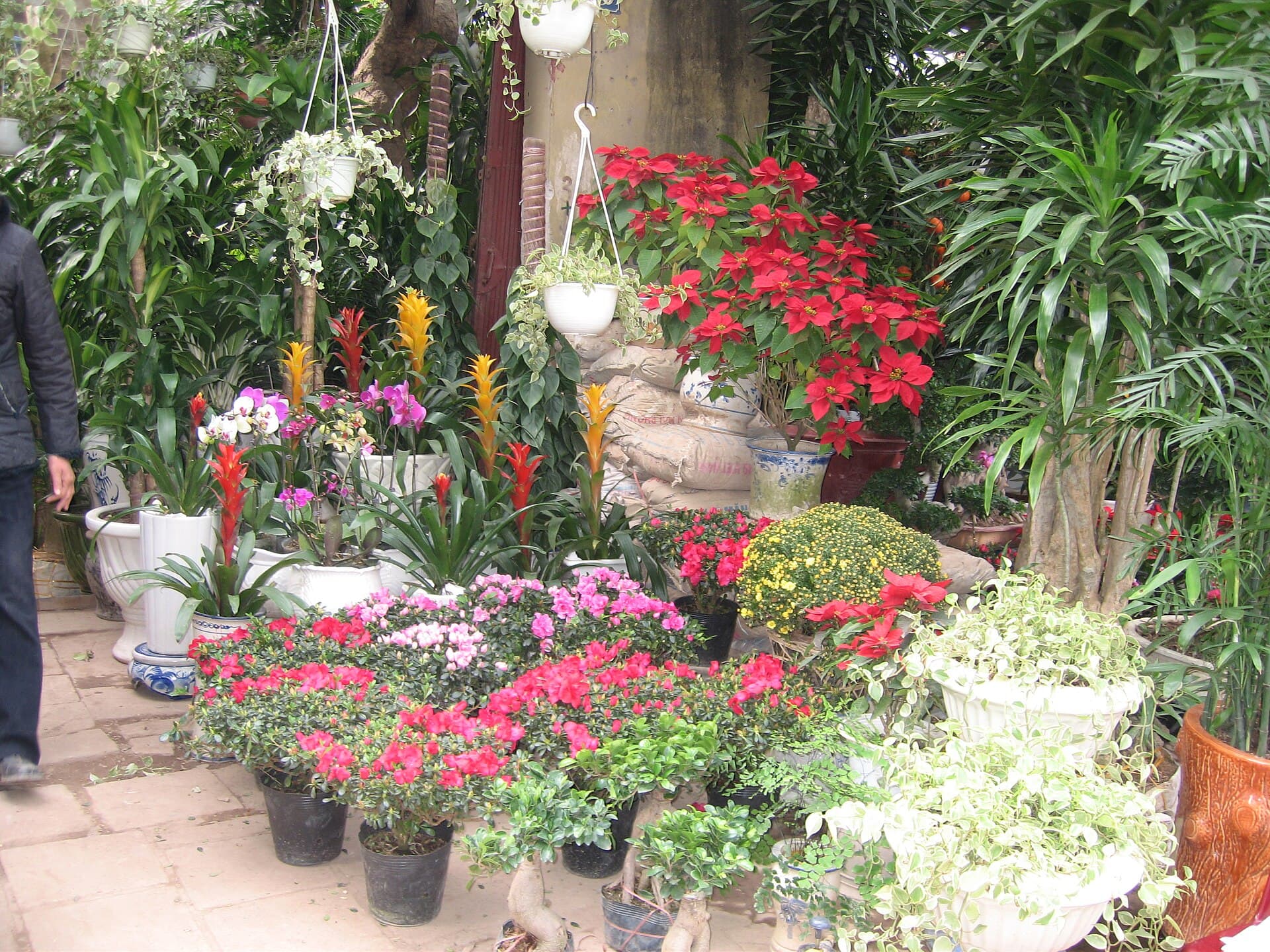
Da Lat cools into its clear season. Up at 1,500 meters, Da Lat trades the southern heat for crisp highland air — historically around 15-23°C, with the dry season starting and rainfall dropping to roughly 45 mm. Sunny days, cool nights and blooming gardens make December its signature month, and it is no accident the city stages its Flower Festival now.
The north: cool, crisp, and cold up high
Hanoi is at its most walkable. After the summer swelter, December brings the capital some of its driest, clearest air of the year — historically around 15-23°C, roughly 30-40 mm of rain across only a handful of days, and cool, sometimes genuinely chilly evenings. It is a fine month for the Old Quarter, lakeside coffee and long walks, provided you carry a warm layer for after dark.
Sapa is cold, and you should plan for it. This is the coldest mainstream destination in the country in December. Historical daytime highs sit around 10-19°C, but nights can drop below 5°C, and the surrounding highlands can approach freezing. Frost is common at elevation, thick fog and mist roll through the valleys, and snow — rare but real — occasionally dusts high peaks like Fansipan during strong late-month cold waves. Trekking is still rewarding on clear days, but guesthouses rarely have heating you would call adequate, so the packing list matters. See the Sapa destination guide before you go.
Ha Long Bay is calm but cool and often foggy. December falls firmly in the dry season: rain is rare, seas are typically calm, and cruise itineraries run reliably without the storm cancellations of summer. The trade-offs are temperature and visibility — daytime around 18-22°C, evenings near 15°C, sea temperatures of only 21-23°C, and a signature winter haze that can wrap the karsts in atmospheric fog or, on grey days, simply flatten the views. Swimming is bracing rather than inviting. If a cruise is on the itinerary, book a well-reviewed boat ahead — December is calm but a popular sailing month.
The central coast: drying out, not yet dry
December is the month the central coast turns the corner. The sustained October-November monsoon that floods Hoi An's Old Town eases, and conditions improve steadily as the weeks pass — but the region is not yet in a settled dry spell. Da Nang and Hoi An have historically averaged around 190-210 mm of December rain over roughly seven rainy days, with mild temperatures near 20-25°C. That is a fraction of the autumn peak, and serious flooding becomes far less likely, though an early-month wet spell is still possible. Nha Trang, further south, is on the tail end of its own rainy season and remains showery, so beach odds there are soft.
The practical read: if central Vietnam is on your route, favour the second half of December, keep a little flexibility in hotel and flight bookings, and treat a dry, sunny week as a welcome bonus rather than a certainty. The pattern is genuinely improving — it just has not fully arrived.
Peak season: the Christmas and New Year surge
December opens Vietnam's international high season, and it is the busiest and priciest window for foreign visitors. The surge is not evenly spread across the month: the first two to three weeks are merely high season, while the Christmas-to-New-Year fortnight is the true peak. Reporting and operators describe accommodation rates in popular destinations climbing roughly 50-100% from around December 20 to January 5, with some rooms doubling outright, and many resorts and cruises adding compulsory gala-dinner surcharges on Christmas Eve and New Year's Eve. Vietnam's tourism sector openly ramps up for this year-end peak every year.
The takeaway is simple: book early. Flights, trains and well-reviewed hotels for the holiday fortnight should be locked in several weeks to a couple of months ahead — walk-in bargains are a summer phenomenon, not a December one. If your dates are flexible, the monthly price calendar shows how December compares across the year, and the cheapest month to fly guide covers where year-end airfares tend to land. Travelling in the first half of December, before the holiday spike, is the single easiest way to enjoy the good weather without the worst of the prices.
What's on in December 2026
- Da Lat Flower Festival (11th edition). Vietnam's official tourism board lists the festival across December 2026, December 1 to 31, with headline programmes concentrated in the second half of the month and some activities running into early January 2027. Expect floral displays around Xuan Huong Lake, street parades and flower exhibitions. The detailed schedule for this roughly biennial event is finalised close to the date, so confirm specific ceremony nights locally.
- Christmas in the Catholic strongholds. Vietnam is not a Christian-majority country, but Christmas is widely and warmly celebrated in areas with large Catholic communities. Ho Chi Minh City puts on the biggest show — the Notre Dame Cathedral area and the Nguyen Hue walking street fill with lights and crowds on Christmas Eve — and Nha Trang and other coastal towns hold their own festive gatherings.
- Year-end and New Year's Eve. December 31 brings countdown events and fireworks in the major cities, feeding directly into the peak-price fortnight above.
The festival calendar atlas carries the full-year events picture if your dates can flex. Note that Vietnamese Lunar New Year (Tet) falls in 2027, not December 2026.
Packing for December
- Far north (Sapa, high passes): a proper warm layer, a windproof shell, hat and gloves, and warm sleepwear — highland nights are cold and heating is unreliable.
- Hanoi and the northern lowlands: layers for cool days and chilly evenings, plus a light jacket. Rain is minor but a compact umbrella is worth carrying.
- Central coast: a light rain layer and quick-dry footwear for the tail of the wet season, especially early in the month.
- South and islands (HCMC, Mekong, Phu Quoc): warm-weather clothing, strong sunscreen and swimwear — this is beach and sunshine territory.
Limitations
Everything above rests on historical climate averages, and single years deviate. Northern cold waves can push Sapa and the highlands colder than the ranges here, occasionally bringing frost or rare snow well outside the typical picture, while the central coast can still deliver a wet, even flood-prone opening week before it settles. Workaround: treat the regional table as a prior, check each destination's 10-day forecast a week out, and pack for the cold end of the range if the far north is on your route.
Event and pricing details also shift. The Da Lat Flower Festival's detailed programme is finalised close to the date, and holiday-season hotel rates move year to year with demand. Workaround: confirm festival dates and gala-dinner surcharges directly with venues and a local operator before committing, and lock in Christmas-to-New-Year bookings as early as you reasonably can.