
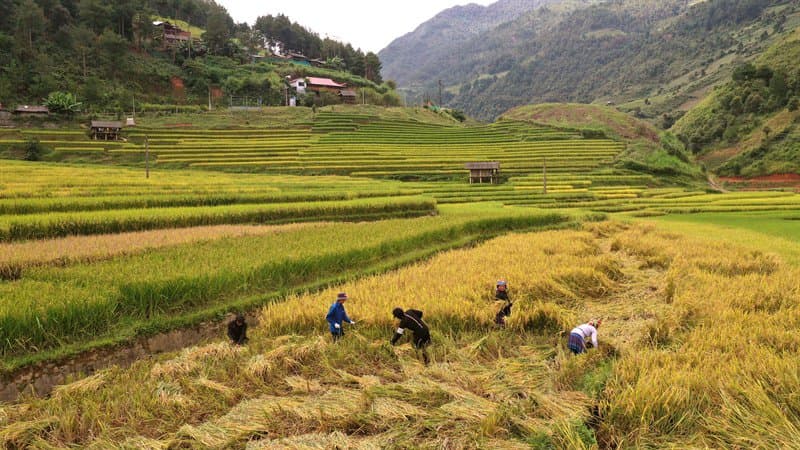
Buôn Ma Thuột is referred to — by the Vietnamese government, the coffee industry, and most Vietnamese drinkers — as Vietnam's coffee capital. The city is the cultural and commercial centre of the country's robusta industry, sits in Dak Lak province at the heart of the Central Highlands, and hosts the biennial Buôn Ma Thuột Coffee Festival, the largest coffee event in Southeast Asia.
For coffee-focused visitors, Buôn Ma Thuột is also one of Vietnam's most under-covered destinations. Most English-language travel coverage skips the city entirely; the rest mentions it as a name without a visit plan. This is the practical 2026 visit plan from a Vietnamese editor — when to go, where to stay, what's worth your time, and the festival-cycle question that catches travellers out.
For where the beans actually come from — the province-by-province + cooperative-level breakdown — see our Vietnamese Coffee Origin Atlas 2026. For the consumer-side menu primer, see Vietnamese Coffee Drinks Decoded.
Quick summary — the 2026 visitor's view
| Question | Short answer |
|---|---|
| Is the Coffee Festival in 2026? | No. Biennial; 9th edition March 2025, 10th expected March 2027. |
| When else to visit? | November–December (harvest season). |
| How to get there? | Fly to Buôn Ma Thuột Airport (BMV) from Hanoi (~2 hrs) or HCMC (~1 hr). |
| How many days? | 2–3 days for a coffee-focused trip. |
| Headline sights? | Trung Nguyên Coffee World Museum, Aeroco Coffee plantation, Lak Lake. |
| Food specialty? | Bún đỏ (red noodle soup), cơm lam, gà nướng. |
When to visit — the festival-cycle catch
The Buôn Ma Thuột Coffee Festival (Lễ Hội Cà Phê Buôn Ma Thuột) is biennial — held every two years, in March, in odd-numbered years on the Vietnamese tourism calendar.
| Edition | Year | Dates |
|---|---|---|
| 7th | 2019 | March (10–13) |
| 8th | 2023 | March (10–14) — postponed from 2021 due to COVID |
| 9th | 2025 | March 9–13 ✓ Most recent edition |
| 10th | 2027 (expected) | March (TBC) |
There is no festival in 2026. This catches a meaningful number of travellers out — they assume an annual festival, plan a March 2026 trip around it, and arrive to a normal-week city. If festival programming is what you want, plan for 2027, not 2026. If you want Buôn Ma Thuột without the festival crowd, 2026 is one of the best windows in years — the city's tourism infrastructure is sized for festival peaks, so off-festival is uncrowded.
When to visit if not for the festival
| Window | What's good | What's not |
|---|---|---|
| November – December | Robusta harvest. Plantations actively picking; drying patios busy. Best for seeing actual coffee work. | Cooler weather (15–22°C); pack layers. |
| January – February | Calm weather, dry, light visitor volume. Fresh-crop coffee just starting to land at cafes. | Some cooperatives less active post-harvest. |
| March (festival year) | Peak energy. Coffee Festival programming. | Hotel prices +30–50%, harder bookings. |
| April – May | Dry season tail. Pleasant. | Cooperatives quiet; less active coffee work. |
| June – October | Wet season. Afternoon thunderstorms. | Plantation visits less photogenic; mud. |
For a 2026 coffee-focused visit, November or December is what we'd recommend — harvest is happening, weather is good, festival crowds aren't a factor.
How to get there
By flight (recommended)
Buôn Ma Thuột Airport (BMV) is 8 km southeast of the city centre, served by Vietnam Airlines and VietJet:
| Route | Flight time | Daily frequency | Typical fare (booked early) |
|---|---|---|---|
| Hanoi (HAN) → BMV | ~2 hours | 4–6 flights | $60–110 |
| HCMC (SGN) → BMV | ~1 hour | 6–10 flights | $40–80 |
| Da Nang (DAD) → BMV | ~1 hour | 1–2 flights | $50–90 |
Airport transfer to the city: Grab car ~150,000–200,000 VND ($6–8), taxi marginally more. The airport is small and turnover is fast.
By road
- From Da Lat: ~190 km, ~5 hours by car or VIP minibus on QL27. Scenic but tiring; many travellers split the drive with a Lak Lake overnight in between.
- From HCMC: ~350 km, ~7 hours by sleeper bus (overnight services depart 7–9 pm). Doable but inefficient relative to a $40–80 flight.
- From Nha Trang: ~190 km, ~4 hours by car. The QL26 route is scenic and a reasonable break-up for a coastal-to-highlands trip.
For most visitors, fly in, fly out. Save the road time for the cities you'll spend more days in.
Where to stay
The city centre is compact — most hotels are within 1–2 km of Phan Chu Trinh Street, the main boulevard. Pricing is stable except in March of festival years (2025, 2027).
| Tier | Price/night | Examples |
|---|---|---|
| Budget | $15–30 | Vietnamese-owned guesthouses; small boutique stays around the city centre |
| Mid-range (3-star) | $30–50 | Saigon Ban Me Hotel, Eden Plaza |
| Mid-range (4-star) | $50–90 | Mường Thanh Luxury Buôn Ma Thuột |
| Trung Nguyên-themed | $50–120 | Trung Nguyên Legend's themed properties at and near the museum |
| Luxury | $100–180 | A small handful of recently opened 5-star options; book ahead |
Booking.com and Agoda cover the city well. Festival-year (2025/2027) March bookings need to land 2–3 months ahead; off-festival, 1–2 weeks is plenty.
What to do — the coffee programme
Trung Nguyên Coffee World Museum (Bảo Tàng Thế Giới Cà Phê)
| Where | Tan An Ward, Buôn Ma Thuột (10 minutes from city centre) |
| Hours | Daily, 8 am – 5 pm |
| Entry | 75,000 VND (~$3) general, additional fee for some thematic exhibits |
| Time needed | 2 hours unhurried |
The museum is the single most visited coffee-tourism site in Vietnam, opened by Trung Nguyên Legend in 2018. It covers global coffee history (from Ethiopian origins to Vietnamese present), brewing methods (espresso, drip, Turkish, French press, the Vietnamese phin), and Vietnamese coffee development since the French colonial introduction.
Specialty-coffee snobs sometimes dismiss the museum as a commercial-brand showcase. That's partly fair — Trung Nguyên branding is everywhere — but the curation is genuinely substantive, the architecture is unusually thoughtful (modern Vietnamese-vernacular forms), and the working cafe complex serves credible coffee. For most visitors it's worth two hours.
The museum is part of a larger Trung Nguyên-developed complex that includes themed hotels, a coffee-themed park, and several Trung Nguyên Legend cafes. You can spend half a day inside the complex or just a quick visit.
Aeroco Coffee — plantation visit
| Where | Eakao Lake area, ~12 km southeast of the city |
| Visit type | Self-arrange or via tour |
| Time needed | 3–4 hours including transit |
| Booking | Direct via aeroco.com or your hotel |
Aeroco is one of the most-respected specialty Vietnamese coffee operations and the closest credible plantation visit to the city. Vietnam Amazing Cup Arabica Champion 2020 and 2022. The visit covers their coffee farm, processing area (washed and natural), and tasting at their on-site cafe.
The Aeroco cafe at Eakao Lake is open to the general public; the plantation tour is by appointment. Book ahead, especially during harvest season when picking is active.
Lak Lake (Hồ Lắk) and ethnic-minority villages
| Where | ~50 km south of Buôn Ma Thuột |
| Visit type | Day trip or overnight |
| Time needed | Half-day minimum, full day or overnight better |
Lak Lake is the largest natural lake in the Central Highlands and the cultural heart of the M'nông ethnic minority. The lake itself is scenic; the village stays around it (Jun and Yang Tao are the most-visited) include rượu cần (communal rice wine through bamboo straws), traditional music performances, and longhouse architecture. Worth a half-day as a non-coffee break in your trip; worth an overnight if you want a deeper village-stay experience.
Other day-trip-from-Buon Ma Thuot options
| Site | Distance | What it is | Worth it? |
|---|---|---|---|
| Dray Sap waterfalls | ~30 km southwest | Three-tier waterfall complex on the Krong Ana River | Yes — half day; pairs with Lak Lake |
| Yok Don National Park | ~40 km west | Vietnam's largest national park; ethical elephant-observation programme | Yes — full day; substantive programming |
| Buôn Đôn village | ~40 km west | Long-running cultural village; some elephant-tourism programmes (mixed ethics — research before going) | Maybe; check current operator practices |
| Dak Mil coffee region | ~80 km north | Smaller plantations; less developed for tourists | Skip unless you have specific interest |
Most coffee-focused visitors don't get past the museum + Aeroco + Lak Lake combination, which is a credible 2–3 day trip on its own.
What to eat
Buôn Ma Thuột's cuisine reflects its Central Highlands geography — meat-and-rice-forward, with ethnic-minority influence (Edê, M'nông, plus Vietnamese-Kinh majority). Distinctly different from coastal Vietnam.
Local specialties to try
- Bún đỏ — "red noodle soup" with pork ribs, crab paste, and a tomato-based broth. Distinctly local; not the same as bún bò Huế or bún riêu. Try at neighbourhood stalls around the Buôn Ma Thuột Central Market.
- Cơm lam — sticky rice cooked inside bamboo tubes over open flame. The bamboo imparts a subtle smoky flavour; eaten with grilled meats. Most Lak Lake village stays serve it.
- Gà nướng — grilled chicken (free-range from highland farms) seasoned with forest greens and pepper. Eaten with cơm lam.
- Rượu cần — fermented rice wine drunk communally through bamboo straws from a clay jar. Traditional at M'nông village stays around Lak Lake.
- Pho khô — dry pho. A regional Central Highlands variant where pho noodles are served separately from the broth.
Local cafes worth visiting
Beyond Trung Nguyên's complex:
- Aeroco Cafe at Eakao Lake — best-in-class specialty coffee.
- The Light Coffee (city centre) — third-wave-style cafe with rotating Vietnamese single-origin pours.
- An Coffee — neighborhood cafe, classic cà phê sữa đá done well.
The city's everyday coffee scene is dense — you can drink credible cà phê sữa đá at almost any neighborhood corner. See our Vietnamese Coffee Drinks Decoded for what to order.
Sample 3-day itinerary
A coffee-focused visit, off-festival, late November–early December (harvest season).
Day 1 — Arrive
- Morning: fly in from HCMC or Hanoi (
$50–80 booked early). Grab to hotel ($8). - Afternoon: visit Trung Nguyên Coffee World Museum + complex (~2 hours). Coffee in the museum cafe; light lunch.
- Evening: dinner at a city-centre restaurant — bún đỏ at the central market or grilled fare at one of the BBQ-style restaurants near Phan Chu Trinh.
Day 2 — Plantation + central highlands
- Morning: Aeroco Coffee at Eakao Lake. Plantation tour (book ahead), tasting, lunch at the cafe (~3–4 hours total including transit).
- Afternoon: drive to Lak Lake (~1 hour). Boat trip, visit Jun village or Yang Tao.
- Evening: stay in Buôn Ma Thuột city (return ~1 hour) OR overnight at a Lak Lake homestay for the rượu cần / longhouse experience.
Day 3 — Day trip + departure
- Morning: Dray Sap waterfalls (half-day) OR a second cooperative visit if Aeroco arranged it.
- Afternoon: lunch back in Buôn Ma Thuột, last coffee, fly out.
The itinerary stretches comfortably to four days if you add a Yok Don National Park day or a deeper Lak Lake stay. Beyond four days, you're stretching — Buôn Ma Thuột rewards depth, but the depth is in the cafes and conversations rather than in a long sight-list.
Combining Buôn Ma Thuột with the rest of a Vietnam trip
Most travellers who visit Buôn Ma Thuột pair it with one of these:
- Da Lat → Buôn Ma Thuột (or reverse) — the Central Highlands coffee circuit. Da Lat for arabica + third-wave; Buôn Ma Thuột for robusta + commercial-historical centre. 5–6 days total. See Da Lat Coffee Farm Tours.
- HCMC → Buôn Ma Thuột → Da Lat → Mui Ne / Phan Thiet — Saigon as the air gateway, then a Central Highlands loop. 7–9 days.
- Buôn Ma Thuột as a focused 3-day standalone — fly in, fly out. Good for travellers already on a longer Vietnam trip who want to add the coffee component.
The integration with the rest of Vietnam is via flight to/from HCMC or Hanoi; ground travel to coastal cities is slow.
Honest caveats
- The city itself is not architecturally distinguished. It's a working Vietnamese provincial capital — utilitarian, modern, more Vietnamese-resident than tourist-shaped. The interest is in the coffee context and the surroundings, not the urban fabric.
- Trung Nguyên branding is everywhere. If you find aggressive corporate branding off-putting, the museum complex will test you.
- Plantation tour quality varies. Aeroco is reliable; smaller cooperatives often aren't set up for visitor programming. Don't show up expecting an Italian agritourismo experience — Vietnamese plantations are working farms first.
- English fluency is patchy. Mid-range hotels and Trung Nguyên properties have English-speaking staff; smaller cafes and most restaurants don't. Google Translate works fine for ordering food.
- Wet-season visits are doable but not recommended for plantation work. July–October sees afternoon thunderstorms and muddy farm tracks.
Limitations
- Pricing is May-June 2026 USD at ~26,361 VND/USD. Niche-destination tours, homestay rates, and small-operator excursions fluctuate 10-20% seasonally and may not be available outside specific months.
- Operator inventory turns over — small family-run homestays, coffee-farm visits, and craft-village experiences can close or change management with little notice. Verify on TripAdvisor or via direct WhatsApp/Zalo contact before travelling.
- Some experiences require Vietnamese-language ability or a local guide to access fully — particularly market visits, religious sites with restricted hours, and remote ethnic-minority villages.
- Transport to off-the-beaten-path destinations is often by local bus or motorbike taxi (xe ôm); private-car options exist but at 3-5x cost. The Vietnam Travel Time Atlas's car figures may not apply to back-road destinations.
- Cultural-immersion claims are qualitative — our reporting draws on Joy's lived experience as a Vietnamese editor; individual reactions to homestays, language barriers, and food differences will vary.
Related on this site
- Vietnamese Coffee Origin Atlas 2026 — sister flagship; named cooperatives, varietal mix, third-wave cafe registry
- Vietnamese Coffee Drinks Decoded — every cà phê on the menu
- Da Lat Coffee Farm Tours — companion guide for the arabica heartland
- Central Highlands sustainable tourism research — the regional context
- Vietnam Travel Cost Index 2026 — pricing context